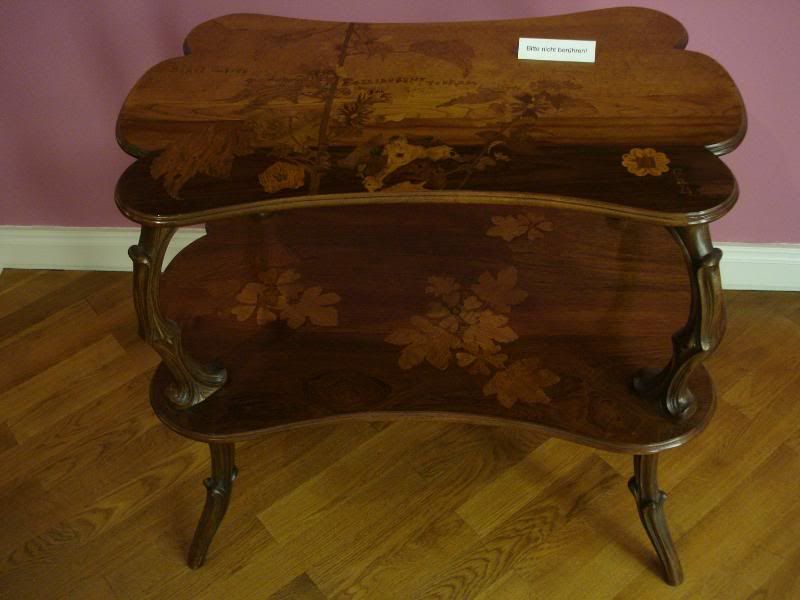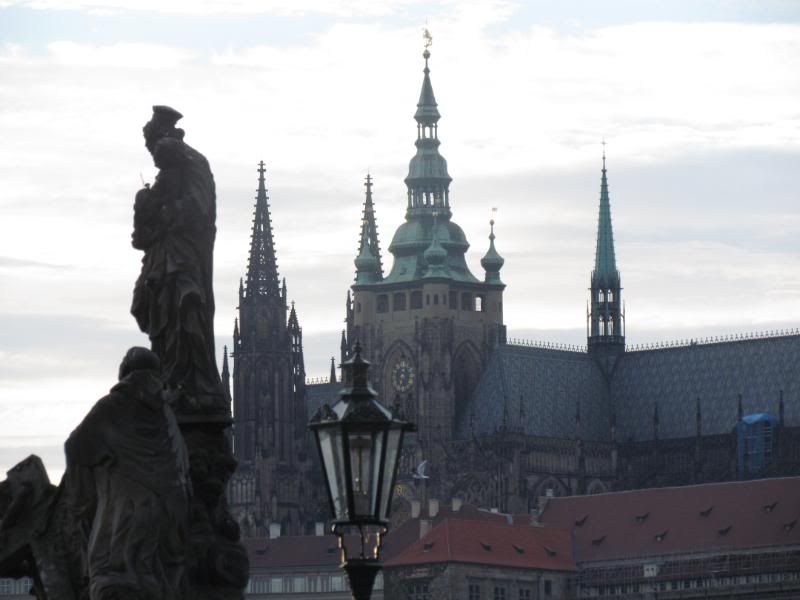
Wednesday, October 3, 2012


 The train from Berlin was a comfortable cabin-style train meant for sleeping. I read A Prayer for Owen Meany at the farm, after Jenna was done with it; on the train, I finished Tess of the D'Urbervilles, which figures in the plot of the former novel. Hardy's writing possesses a constant sparkle of wit and descriptive acumen which I don't expect of 19th century writing. Jenna finished Owen Meany before me; now I've passed Tess on to her.

Traveling abroad, I've realized that the things I've seen on postcards, the things that seem exciting, picturesquely quaint, or exceptionally beautiful represent not an unusual sight, but rather a dominant aesthetic mode of a particular place. Everything is quaint, exciting, or beautiful in a specific way. The things that would delight and charm a foreign visitor to the U.S. - our Norman-Rockwell-esque suburbs, or the raucous bustle of our urban centers, for example - would go unnoticed in their particulars to an American. The apparently prevailing aesthetic of Prague is extraordinary ornamentation. The Art Nouveau movement (seemingly a theme this week) had a particularly strong influence here.
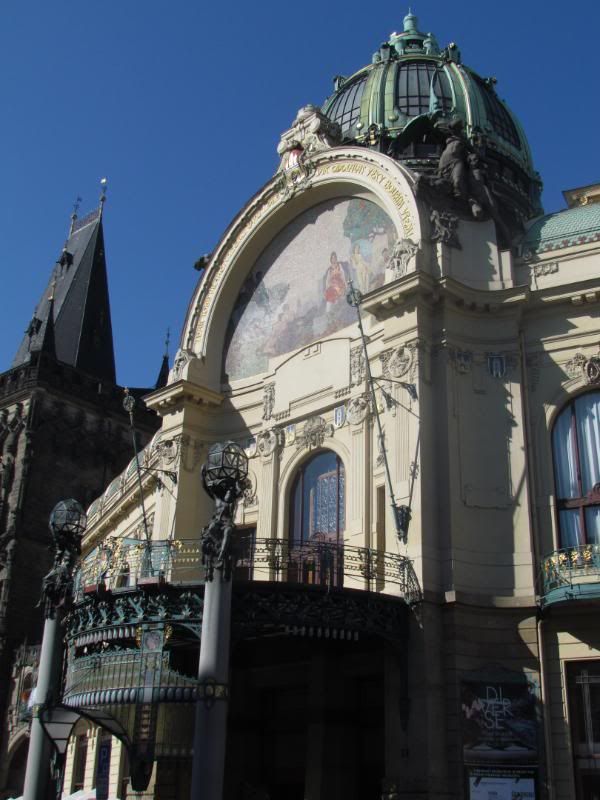
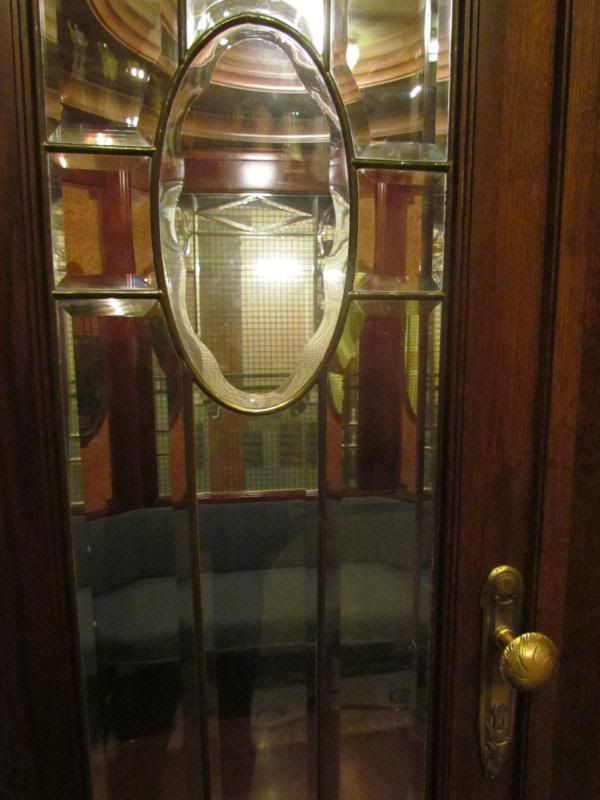
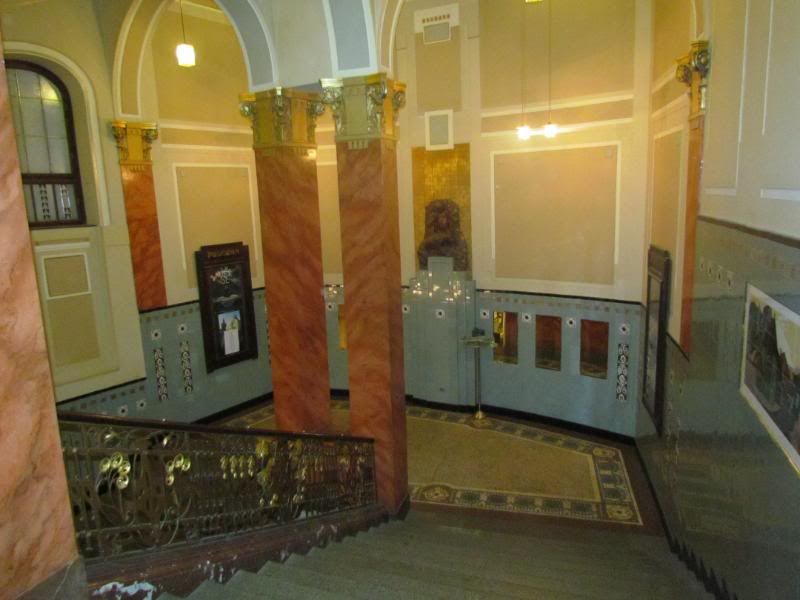

Much of the city wants for a fresh coat of paint. Instead of marring the architectural appeal of the ornate Bohemian edifices, the scarred plaster and peeling paint only heighten their age and elegance. It suggests shades of bygone Hapsburg treachery, opulence, and power.

This dilapidation isn't a sign of poverty. There appears to be a tremendous amount of money in Prague today. The Czech Republic has thrown off the cloak of communism and stamped it into the ground. All of that architectural decadence seems more suited to the excesses of capitalism than inflexible Socialism, anyway. In the city center, black Mercedes-Benz sedans roll over cobblestone streets lined with luxury brand storefronts. Prada, Louis Vuitton, and Rolex boutiques rub shoulders with antique shops selling $50,000 grandfather clocks (the antique dealers hate Jenna and I, and disguise their disdain very thinly. They've been around the block long enough to compare the probability of one of us knocking over some priceless vase relative to the probability of our buying something, and, finding the odds strongly tilted toward the former event, their baleful stares are not entirely unwarranted).
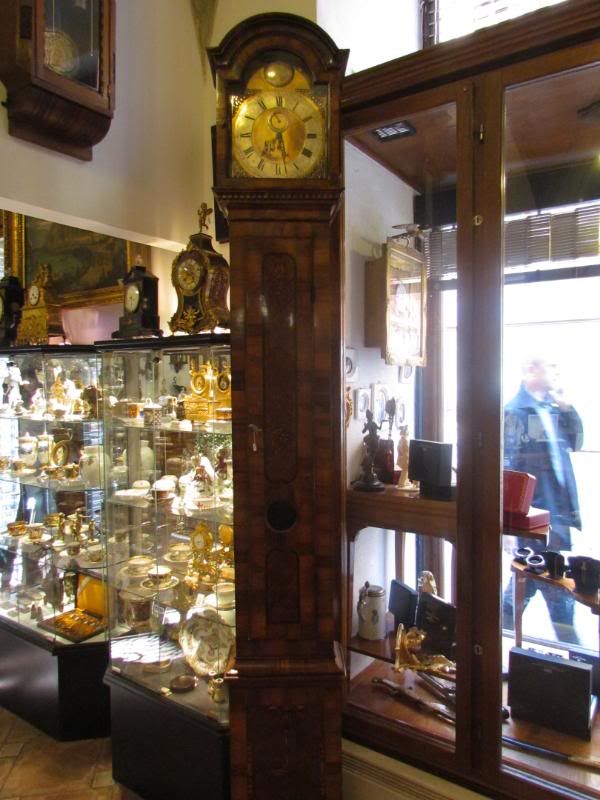
To be fair, it's a very nice clock

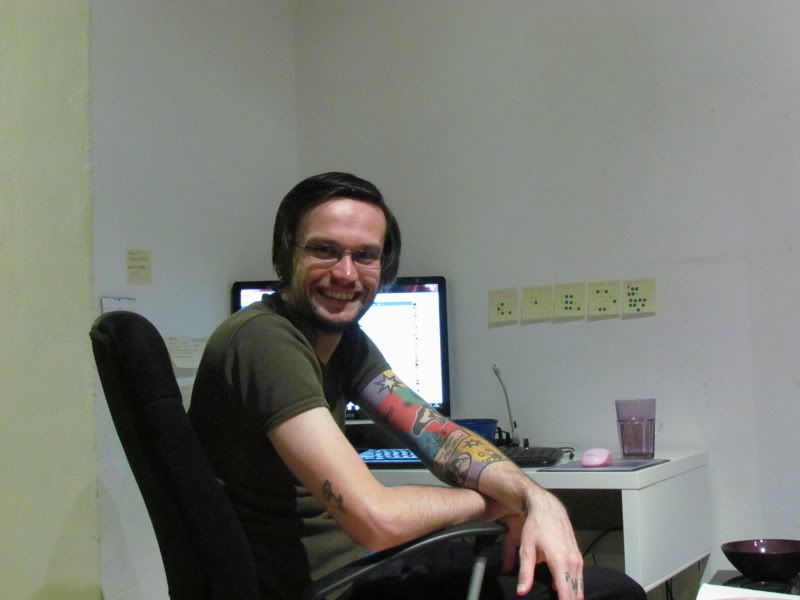
Immediately on arrival, we ate at a mediocre Chinese joint downtown. Its recommending feature was its cheapness. It was a mistake, because when we called Svát'a, our CouchSurfing host, he had just fixed dinner. He gave us directions to get to his apartment in the Holešovice neighborhood, just across the Vltava from the city center. Svát'a is the CEO of an eco cleaning company, which he and a friend formed about a year ago. He's a 27-year-old-tattooed vegan, straight-edge hardcore kid who's also a big Star Trek fan - so, obviously, we had a lot in common. In fact, he offered to host us for our entire time in Prague, although our stay overlapped with two other CouchSurfing guests on our first night. Svát'a really wanted to host us, so he offered to put us up in his office. Jenna and I thought a sleepover in an office building after hours sounded kind of funny, so we agreed.

Svát'a is an absolute pleasure. He's the epitome of a nice guy: outgoing, talkative, tolerant, and generous. He exudes childlike energy, openness, and cheer. I was strongly reminded of Toki Wartooth, of Adult Swim's Metalocalypse, when talking to Svát'a, especially when the subject turned to an upcoming visit from a French girl he liked. He was unreserved in expressing his excitement.

"I am going to meet her at the airport," he said, "Well, she really likes my postcards, which look like a child made them, with lots of stickers and whatever. I'm going to - you know how people at the airport wait with signs with your name on them? So, I'm making her a sign that looks like one of my postcards! With her name on it. And, also, I will make her a flower."

"You're going to make a flower?" Jenna asked.

"Yeah, out of paper!"

At the same time, Svát'a is also bright, thoughtful, and mature. We talked late one night about religion, and I was impressed with his reserve, intelligence, and respect.

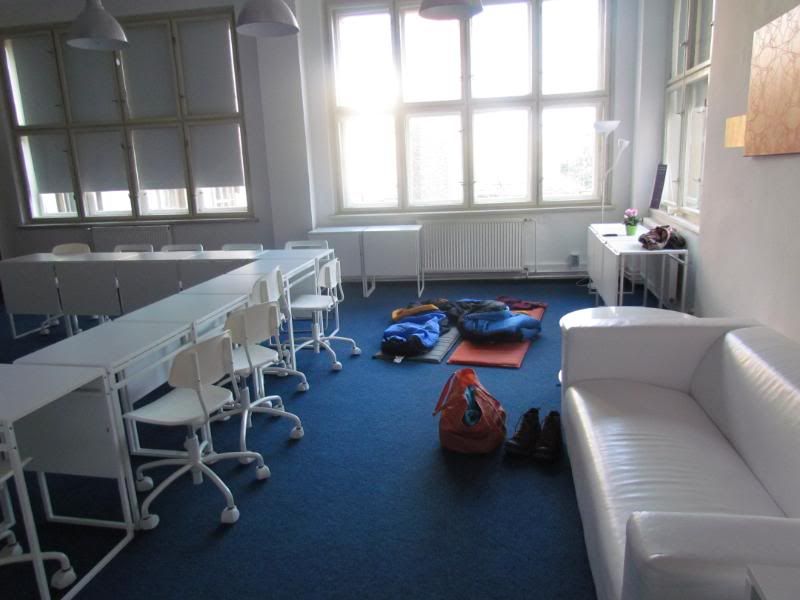
After showing us the apartment, Svát'a walked us back downtown. His office is in a complex shared by other green businesses, which allows Svát'a use of a collective conference room, library, and reception desk. We slept in the conference room in our sleeping bags. I got a very concerned look from an elderly woman the next morning as I emerged, many days unwashed and unshaved, with my toothbrush hanging like a rake's cigarette from my foamy mouth.

We toured the Alfons Mucha Museum in the morning. Although his work seems to be of minor importance in the U.S., he's the artist laureate of the Czech Republic.  Little trinkets bearing his artwork crowd the souvenir shops in downtown Prague. Mucha is the popular emblem of the Art Nouveau movement. Art Nouveau was perhaps the harbinger of the convergence of "low" and "high" culture, the commingling of art with commerce. That he should be so readily embraced in Prague seems appropriate: the expertly-turned    naturalistic complexity of Art Nouveau seems like a modern reemergence of the Baroque, the style which defines so much of the city's architecture.  Explicitly decorative and with mass production in mind, Nouveau has a place within the History of Ideas, while also being easy to grasp on a popular, visual level. Mucha's prints and posters are among the prettiest of the era; it's probably not coincidental that he doesn't seem to have been a very complex or intellectual artist. He was given to easy answers - nationalism, Romanticism, freemasonry, Christianity - without seeming bothered about their sometimes contradictory ends.  Of course, you only have to consider David Lynch's fascination with Eastern religion and quinoa to realize that great art sometimes comes from prosaic people.  Anyway, Mucha's optimism is infectious and charming.  No photos allowed, though.

The Mucha Museum is small - two large rooms - so we had time to go to Prague's Jewish neighborhood and visit two synagogues.  The Spanish Synagogue, so named not because its constituents were Spanish, but because of the 19th-century building's Moorish style, was the most glorious place of worship I've ever seen. Photos were prohibited, but we snapped a couple phone pictures.  


 We also saw the Maisel Synagogue, now a museum.  Beautiful as both were, the synagogues were solemn, because many displayed artifacts were the personal belongings of Jews deported to ghettos and concentration camps.   These articles were warehoused in the synagogue for safekeeping.  Their rightful owners were killed in the camps; now their property is on display behind glass.

At the Spanish Synagogue, there was an exhibition of Mark Podwal's art.  We both liked it, but Jenna must have made her appreciation especially visible, because the old woman staffing the ticket desk gave her a 2009 calender with Podwal paintings.


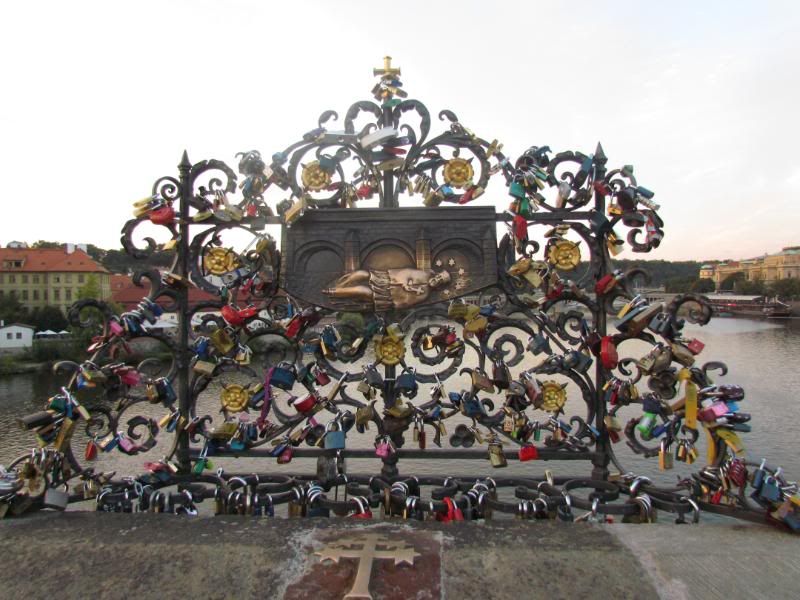
We crossed the Charles Bridge together, the classically romantic Prague activity.  In the middle of the bridge is a piece of ironwork obscured by padlocks, each inscribed with a couple's initials, immortalizing their love through the power of vandalism.  


In the late evening, we ate at a Loving Hut.  I'd never been to the all-vegan fast-food cult-religious chain before; they had one in Philly, but it closed down.  It was really good, plus it was cheap.  Prague is maybe even cheaper than Berlin.  Needless to say, I love that part.

The next morning, we walked a few blocks to the Veletržní Palác.  Despite being titled in the singular, the Prague National Gallery actually consists of several museums, each displaying art of different eras or styles.  The 
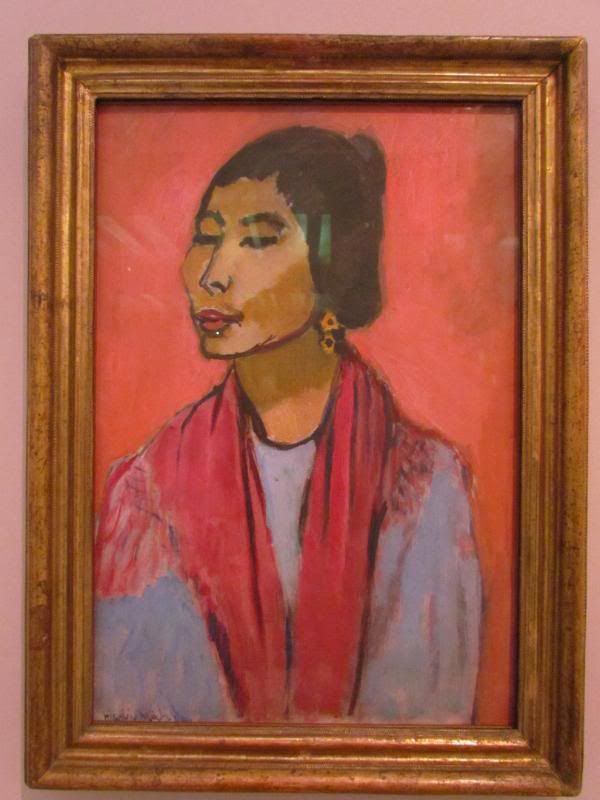
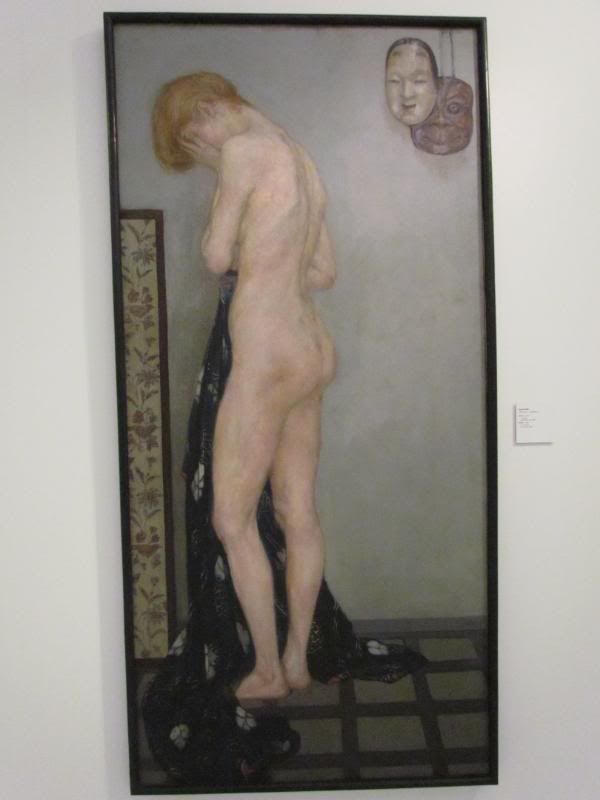
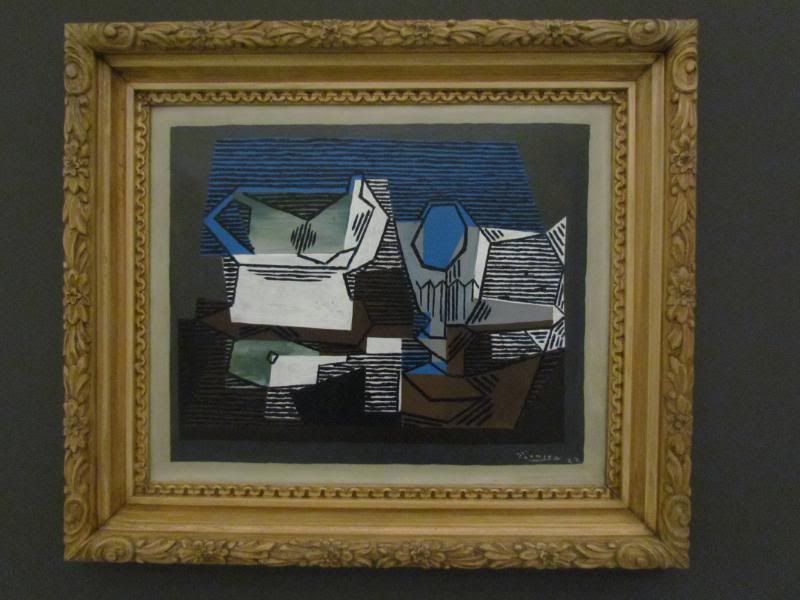
Veletržní Palác shows art of the 19th through 21st centiuries.  An informational notice explains, almost apologetically, that the modern art holdings are idiosyncratic and small, due to government censorship and lack of funding for the arts behind the Iron Curtain.  Perhaps that's so, but the 19th-century and prewar collections had some real gems:
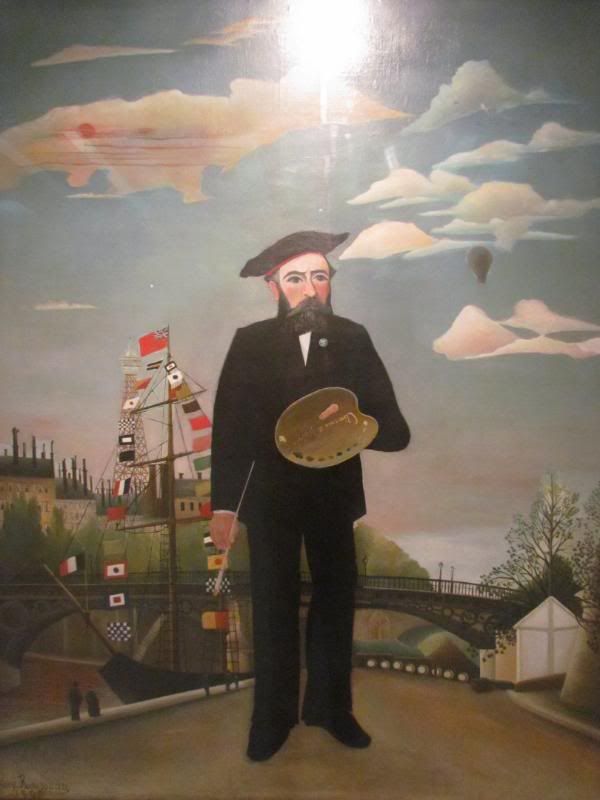
Myself, Portrait-Landscape, Henri Rousseau

Joaquine, Henri Matisse

Model, Emil Orlik

Still Life with a Goblet, Picasso

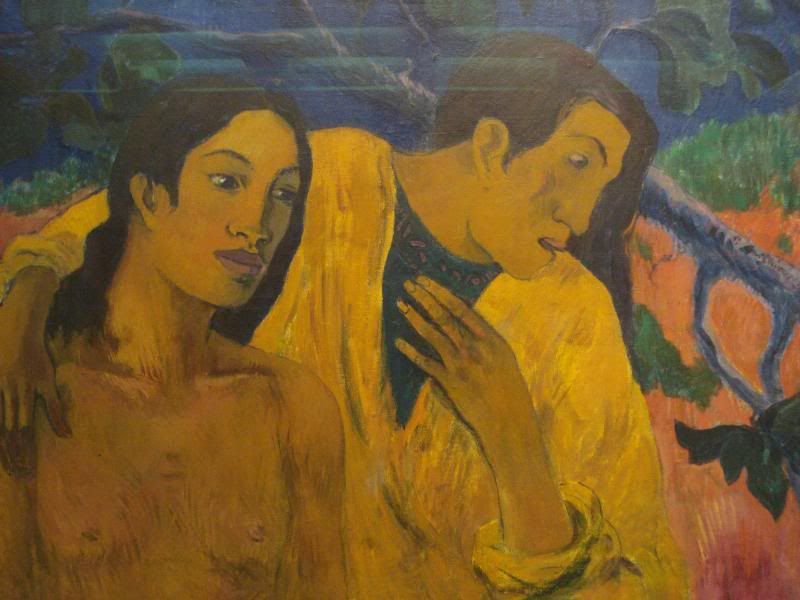
Flight (Tahitian Idyll), Gauguin

 ...and the modern and contemporary galleries seemed, at least to my vulgar and untutored tastes, full of lively and interesting pieces.  
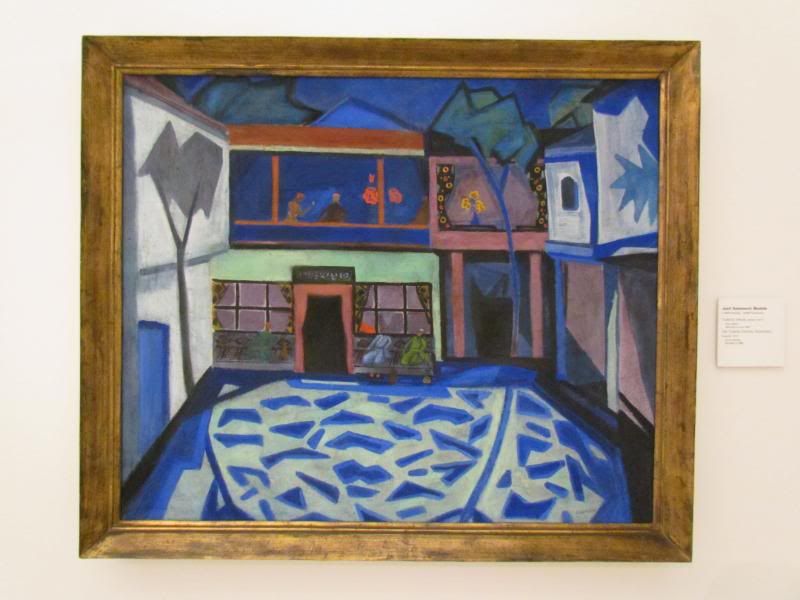
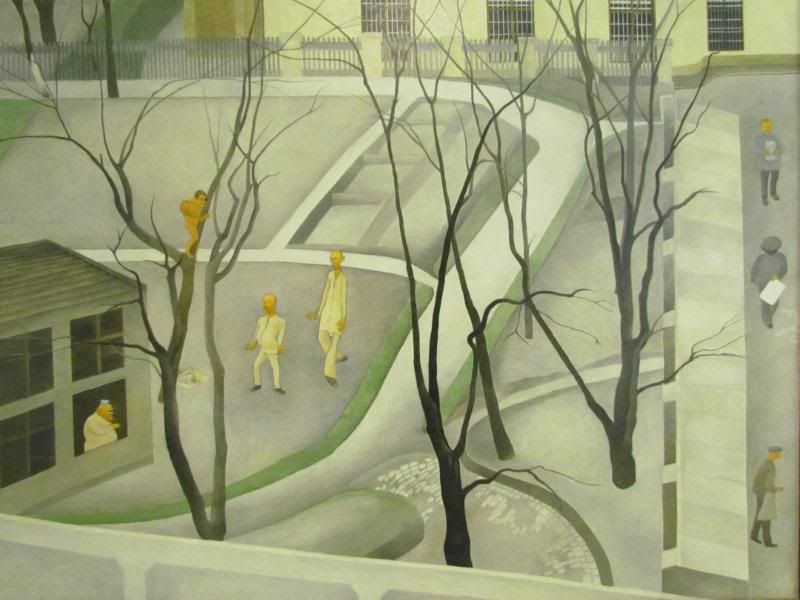
The Turkish Central Courtyard, Josif Solomovič Školnik

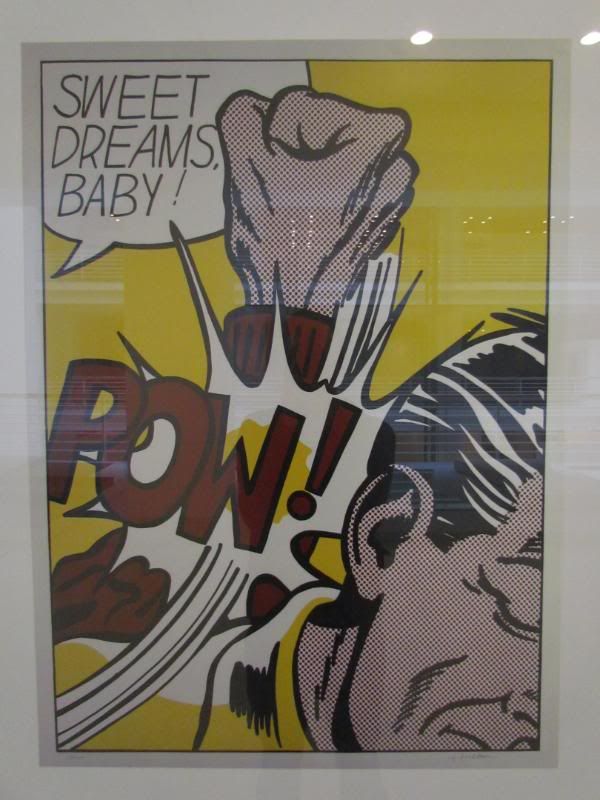
Sweet Dreams -- Baby!, Roy Lichtenstein

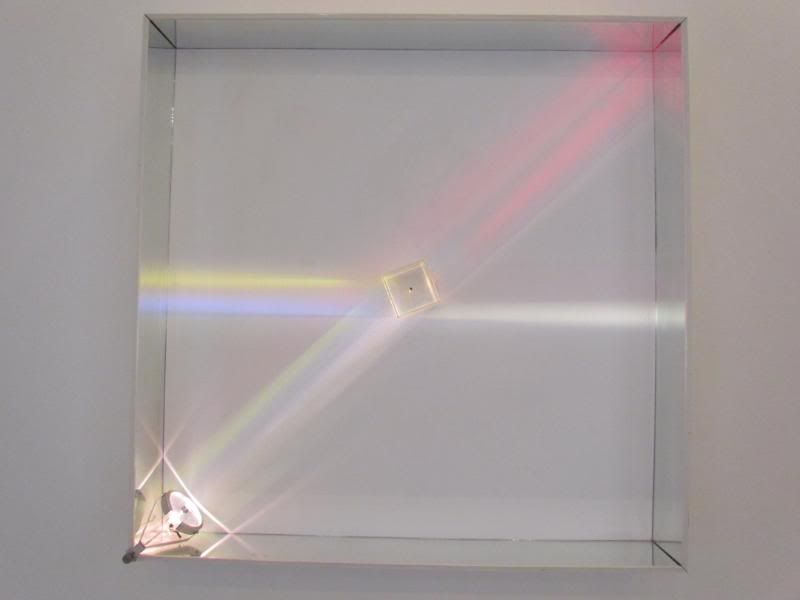
Light Levers III, Peter Sedgeley


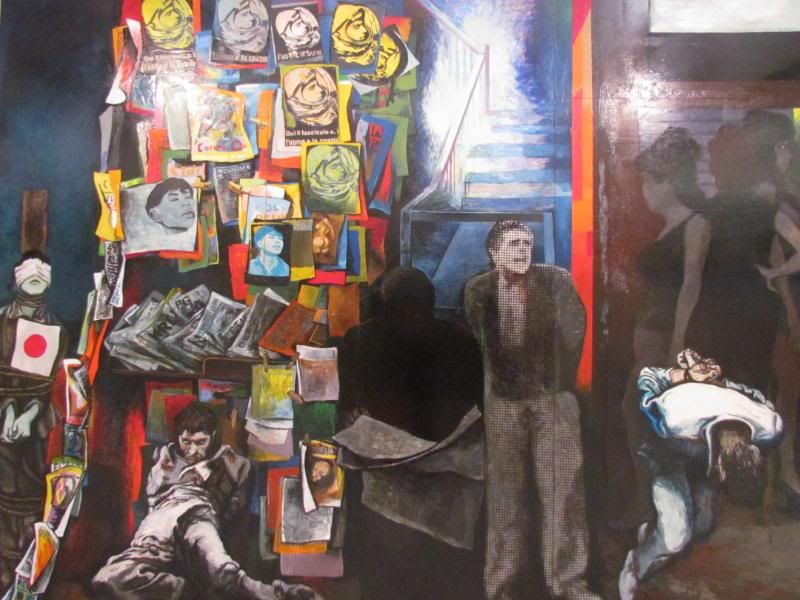
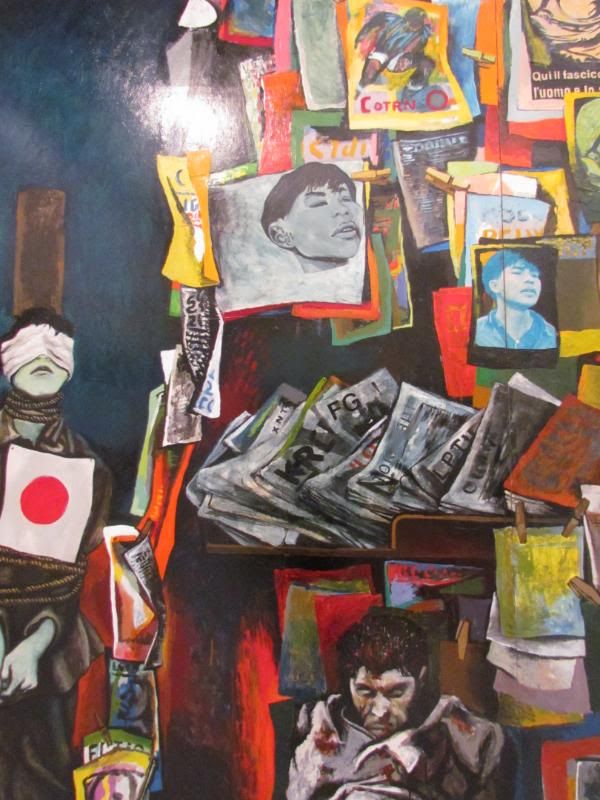
News, Renato Guttoso

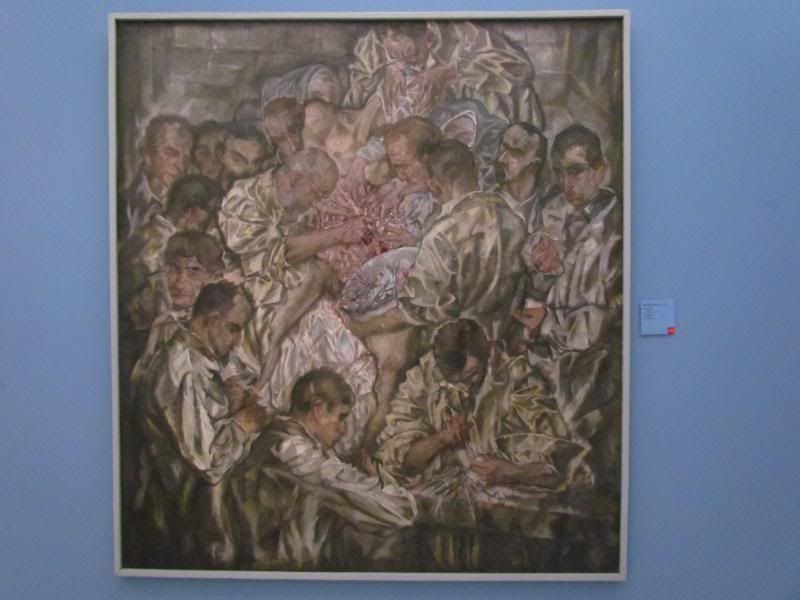
Operation, Max Oppenheimer

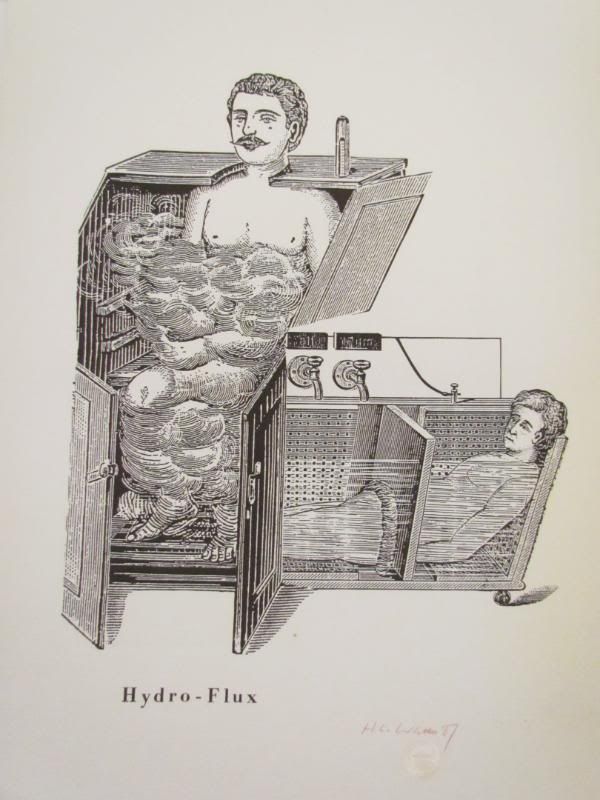
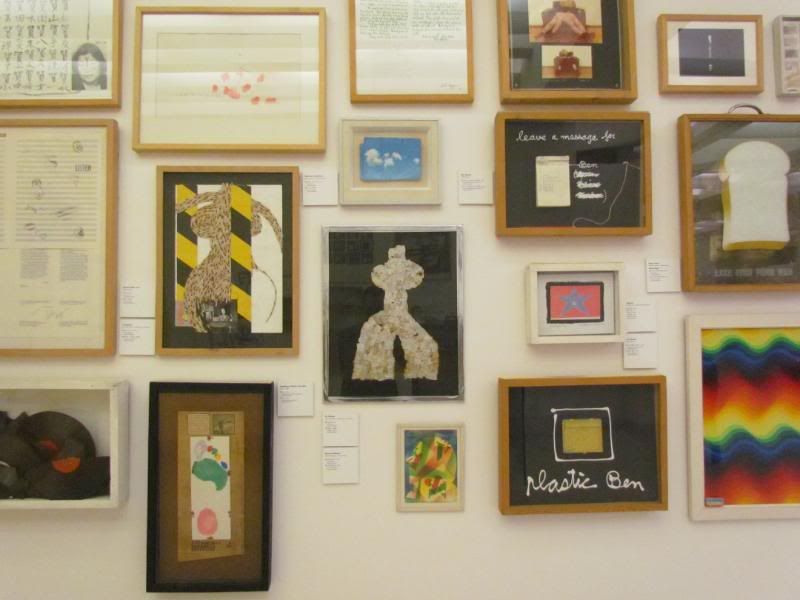
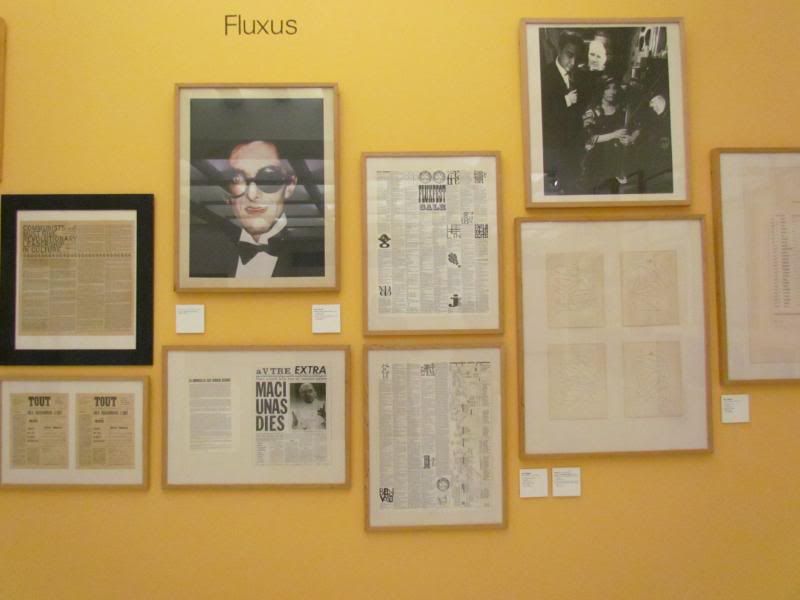
 I especially liked the Fluxus display.  
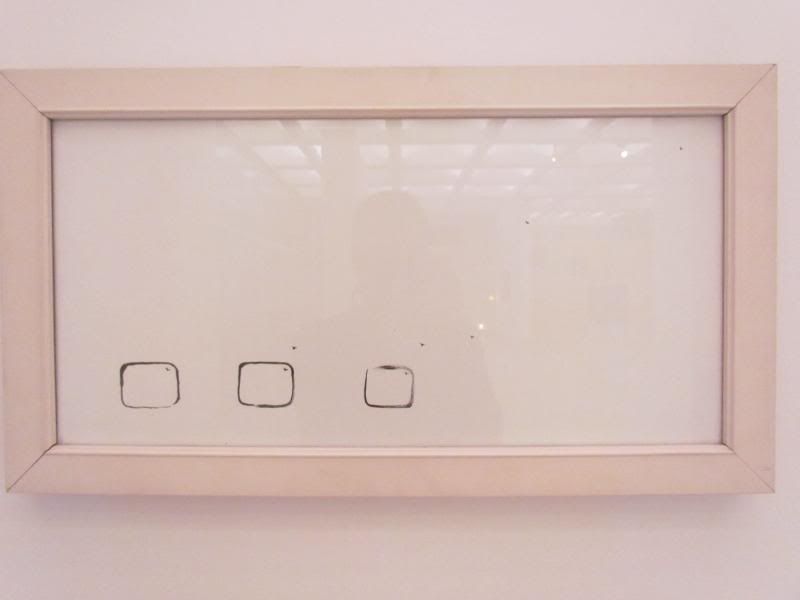
3x TV + Birds, Nam June Paik

Print on Canvas, Robert Watts


 The Veletržní Palác is huge, so there was no hope of seeing it all.  
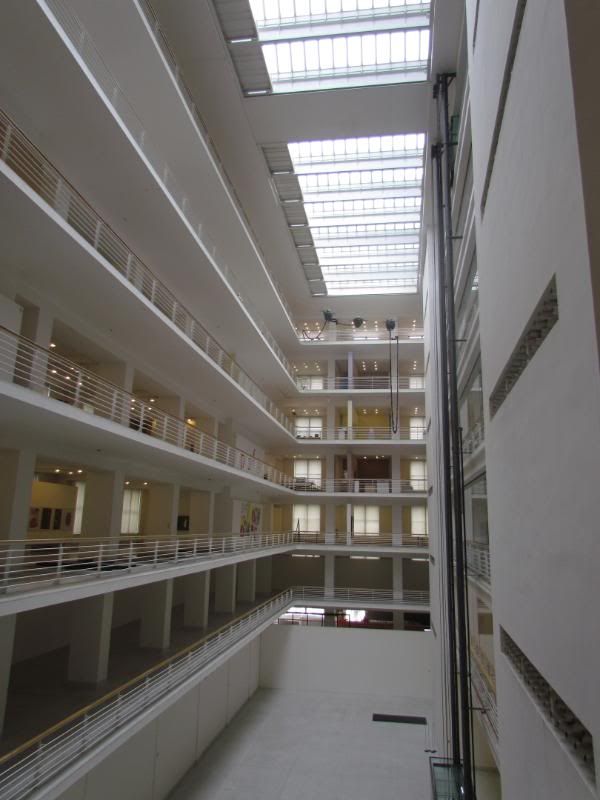

I was glad we looked through the floor of Czech 20th-century art.  
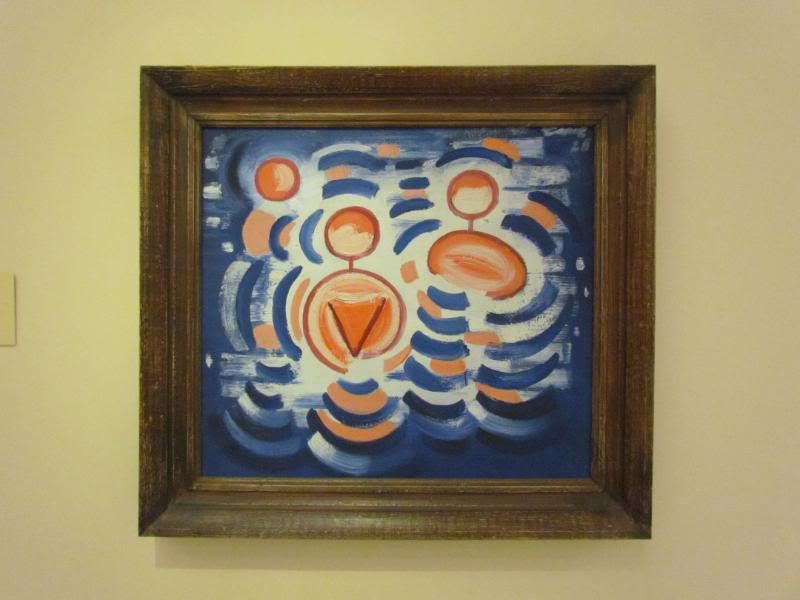
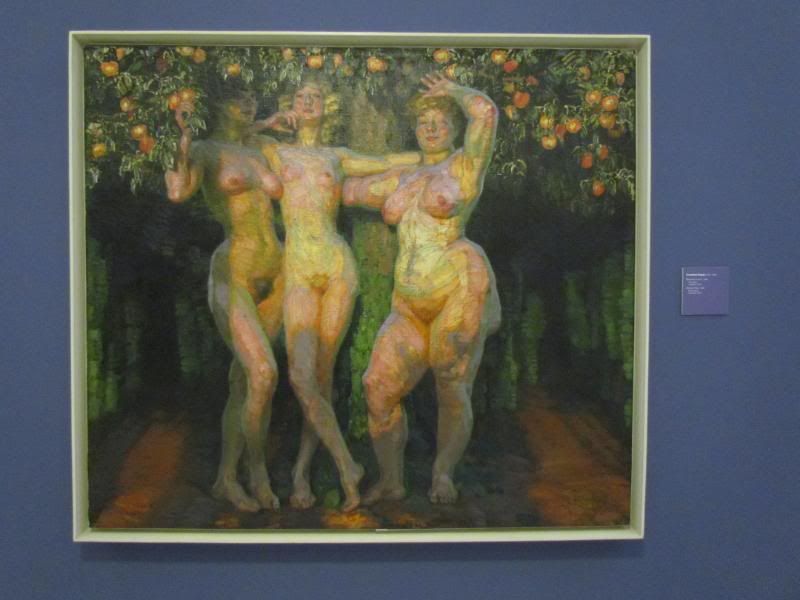
Bathing, Josef Čapek

Nightmare in the Kateřinsky Mental Asylum, Vlasta Vostřebalová-Fischerová

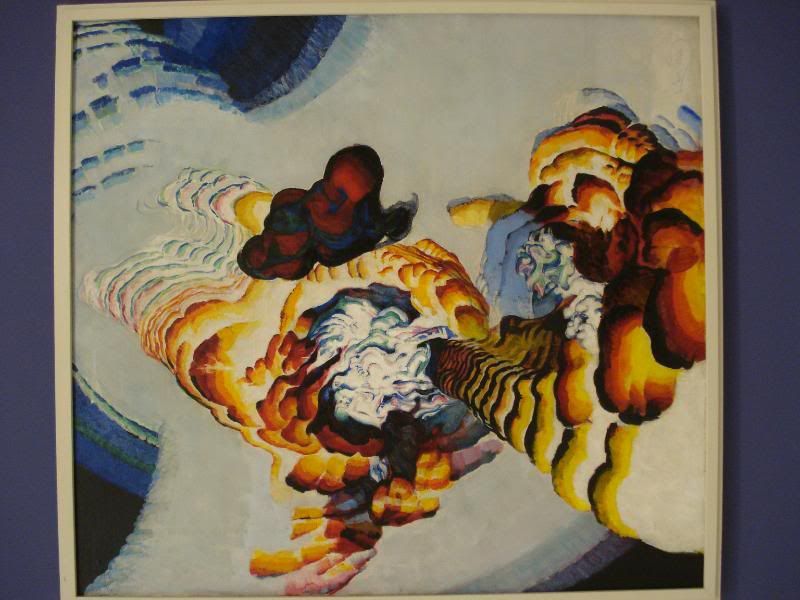
There were two artists in particular, František Bilek and František Kupka, who caught my interest.  It was absolutely impossible to photograph the Bilek art, and Google isn't forthcoming either.  They were very dark, very cool.  

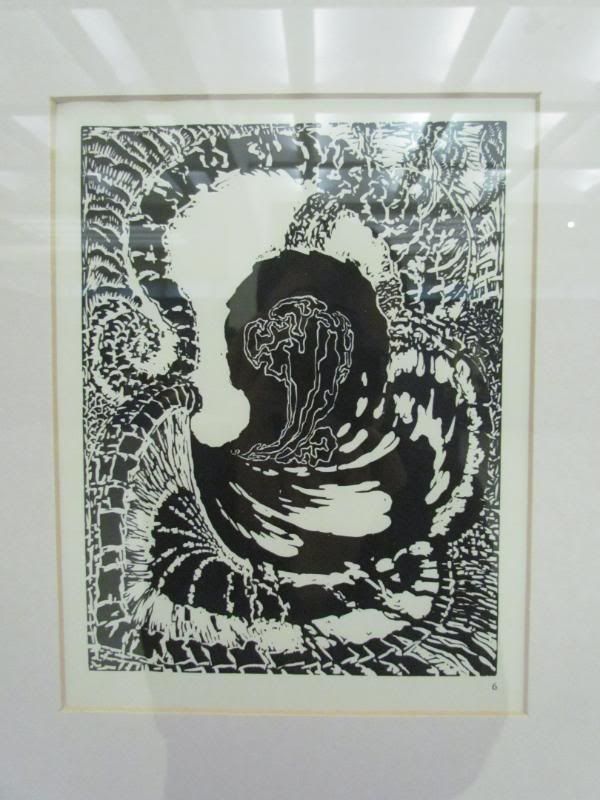
From Four Stories of Black and White, František Kupka

Autumn Sun, František Kupka

A Storz of Pistils and Stamens I, František Kupka

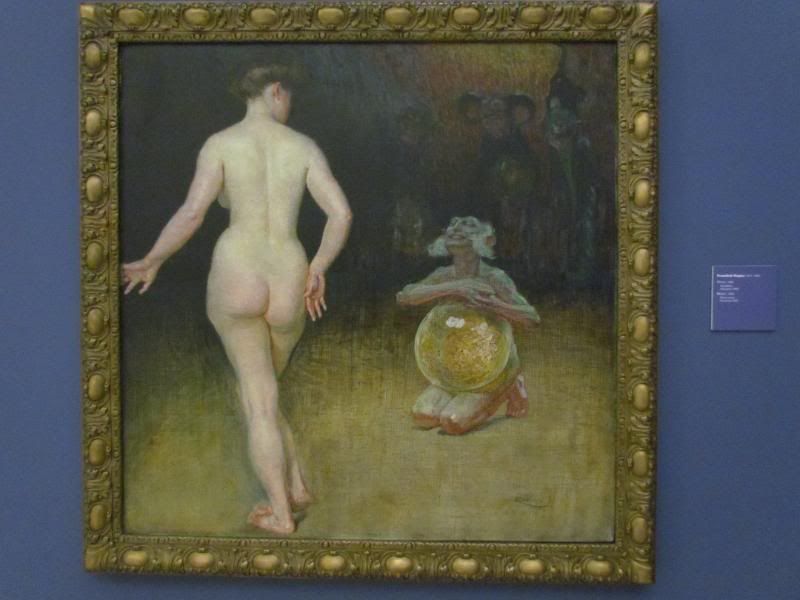
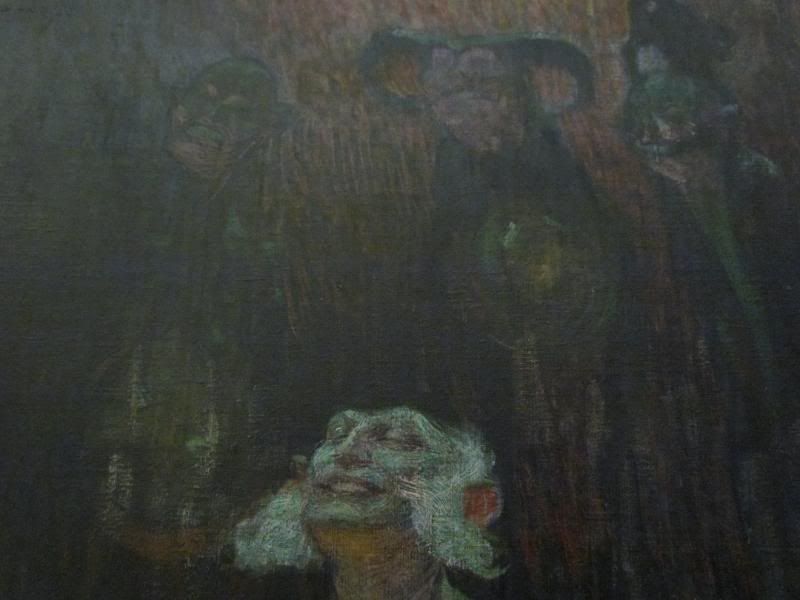
Money, František Kupka
What the hell are these in the background?  Greedy capitalist cenobites?

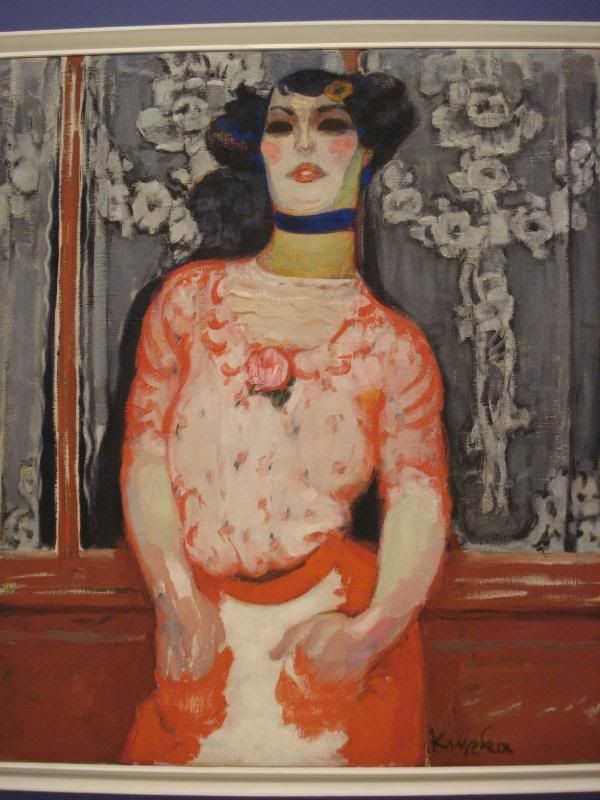
Cabaret Actress (Gallien's Taste, A Girl for Gallien), František Kupka

Kupka seems to have dabbled in a little bit of everything: political cartoons, post-impressionism, realist painting, abstract minimalism, and woodblock printing, with predictably spotty results.  Some of it was pretty cool, though.

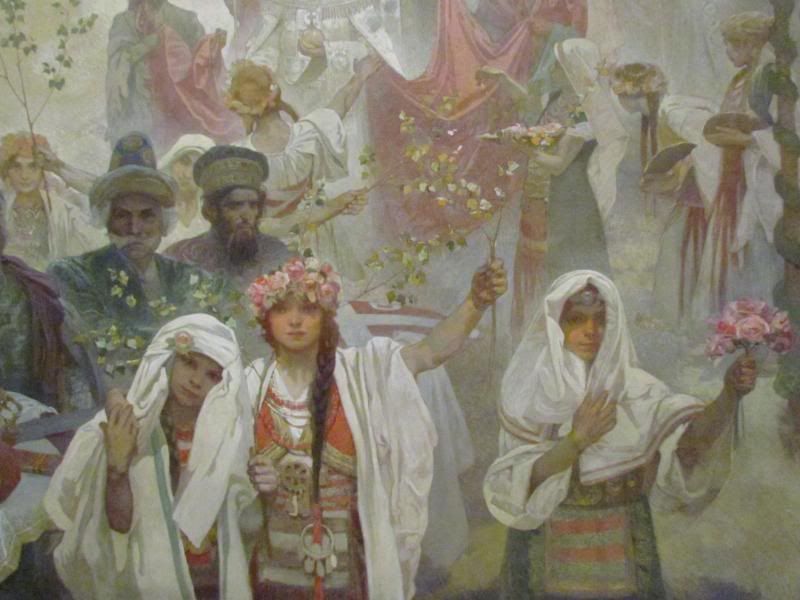
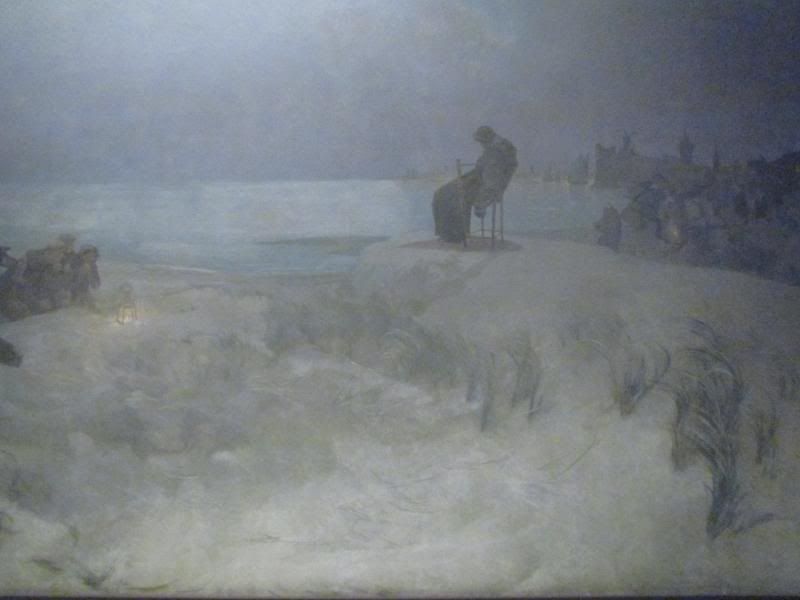
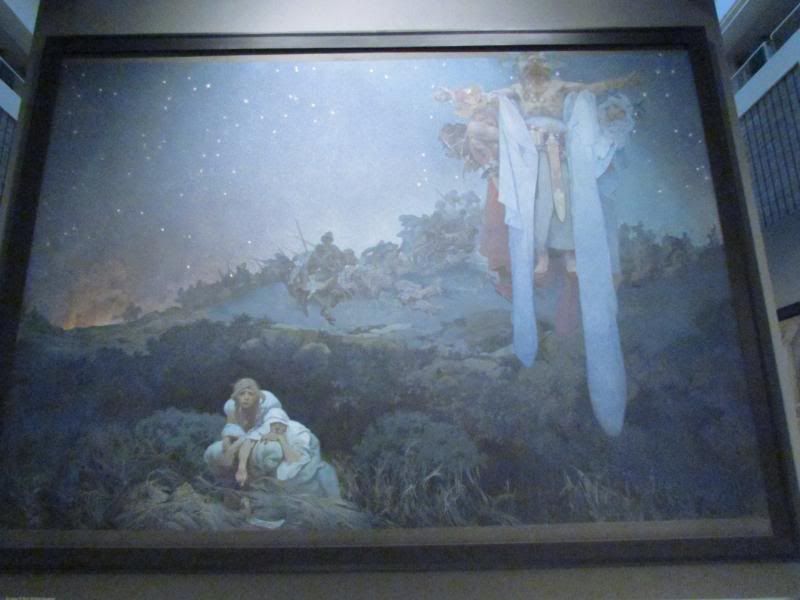
The other major exhibition at the Veletržní Palác, which we hadn't realized when we decided to go, was Mucha's enormous Slav Epic.  Covering over half a kilometer of canvas, the 20-painting Epic was his masterpiece.  He devoted much of the second half of his career to realizing it.  
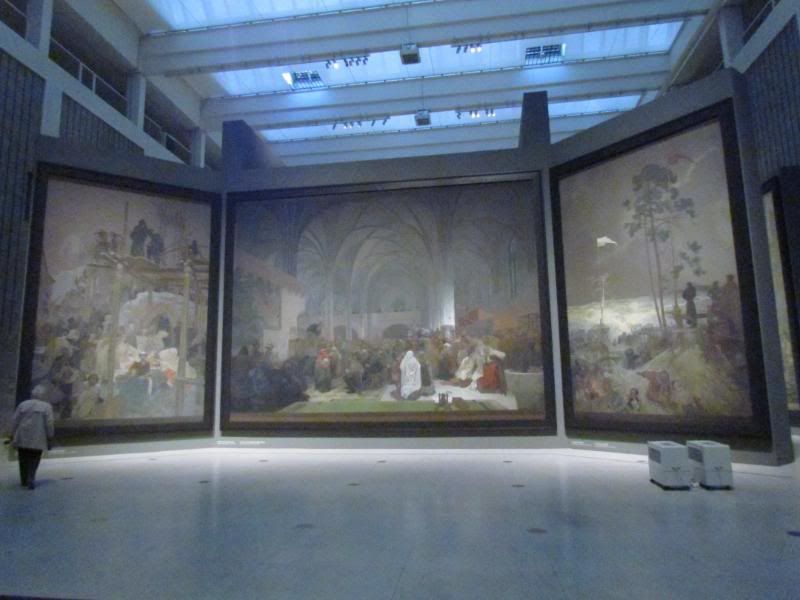


 Because of the sheer scale of the paintings, it's difficult to capture it accurately.  It's art to be experienced first-hand.

We had decided to cook Svát'a a meal while in Prague, so we spent the afternoon making a red bean curry, with stewed nectarines for dessert. Svát'a introduced me to the most perfect junk food I've ever encountered: peanut puffs, or krupkes. They're made from corn and peanuts, and have the light, crunchy consistency of Cheetos. The flavor is the ideal sweet-salt interplay of peanut butter. They're very addictive.
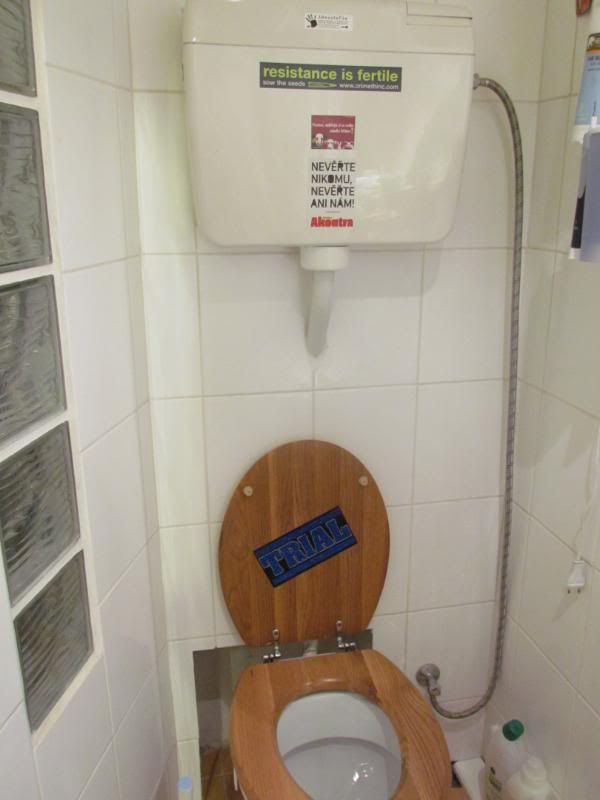
Svát'a's bathroom (the toilet seat has a pentagram on the other side)...

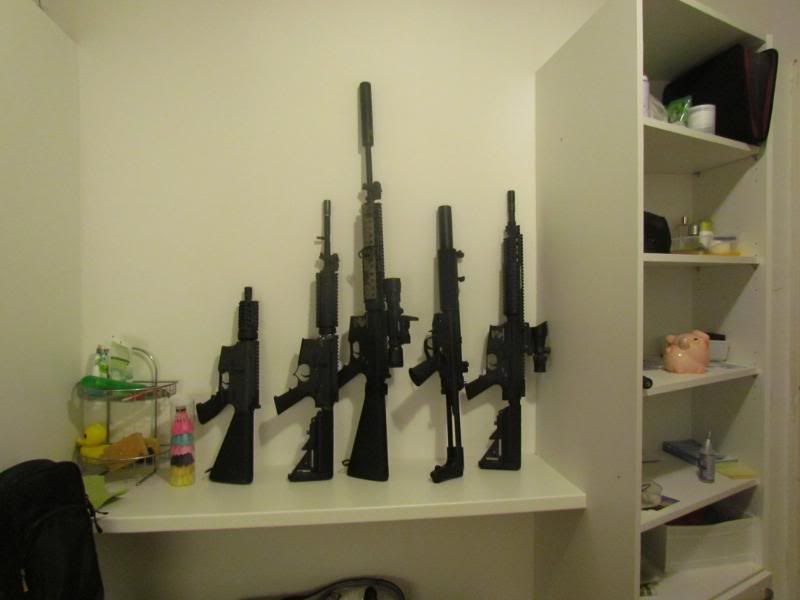
...and his wall of pellet guns

He also encouraged us to stay an extra day. We didn't need much convincing. We'd left some preparations for our upcoming campaign in Šumava Park undone, so it made sense, and we were having a great time.

Our plan was to leave Prague for
Český Krumlov, an ancient town and tourist attraction in the south of the Czech Republic, and amble without definite plan for a couple days in the nearby Šumava Park, before catching a train or hitchhiking to Vienna.  Staying in Prague for an extra day meant cutting our hiking time, realistically, to one day.  As it turned out, we ended up spontaneously reinventing our itinerary entirely, but more on that later. We started our day at Country Life, a health food store and vegan cafeteria-style restaurant, where we gathered food supplies and subsequently met Svát'a, who had risen much earlier than we, for lunch. Country Life charges by the weight of your food. It was quite good, but I'm a goddamn pig and can't resist putting mounds of good food on my plate when good food is there to be had, so it was kind of expensive.

Svát'a had mentioned that his birthday was in a few days, so, to celebrate and also to thank him for being a good host, Jenna and I baked him a cake (mostly Jenna; I just navigated the complexities of buying foreign ingredients at the grocery store). It turned out very well. 
The strawberry frosting was great, and Svát'a seemed really happy, too. We've made a real friend in Svát'a, and I really hope he makes it to the States soon.
Prague is a breathtaking place, with high-brow luxury and creature comforts. To me, it felt like the ultimate European city. It's ancient, architecturally splendorous, cultured, and fashionable. We were sad to leave Svát'a's hospitality for a nebulous and unscheduled adventure. We were lucky to find such a great host in this amazing city, and we both had an unforgettable time.

Wednesday, September 19, 2012


Aram writing here.  On September 9th, my ex-girlfriend, Ariana Lamer, died of a heroin overdose.  She had just turned 22.  I think a lot of people looked past her quiet intelligence and talent, but those who knew her best could see what a special person she was.  She was also prone to depression and self-deprecation.  Ariana was never a squeaky wheel.  Sometimes it seemed like she wanted to conceal her abilities, and consequently she didn't get the opportunity to develop them.  She also didn't complain about her emotional damage. She probably didn't get as much help as she needed to see herself in an objective light, which would have been positive.  If you knew her, think kindly of her and her family.  I found out via Facebook.  The ordinarily tolerable banality of the News Feed seemed sick in comparison to the hurt that this caused.  It was not a good way to find out, although I guess there's no good messenger for tragic news.  Her death has affected me very strongly.

The final day in Copenhagen was spent mostly trying to get to Martin's boat. We followed Sofie's advice and grabbed coffee on Elmagade, a hip street in the Norrebro neighborhood. We were carrying our packs, so we didn't have the patience to wander looking for a nice place very long.  Coincidentally, the first place we found with free Wi-Fi was another location of Laundromat, the cafe we ate at in Reykjavik. We've been in the habit of buying bread and spreading peanut butter or good old Bright Morning chocolate spread on it, plus cheap fruits and greens from the ubiquitous Middle Eastern mini-grocers, so we haven't had to buy much restaurant food. When we buy coffee, it's usually an excuse to use the cafe's Wi-Fi.

We walked a long way into town, and got our train reservations to Berlin. Not far from the station, we bought vegan cinnamon rolls and chocolate-coconut rum balls. I was deliriously happy.


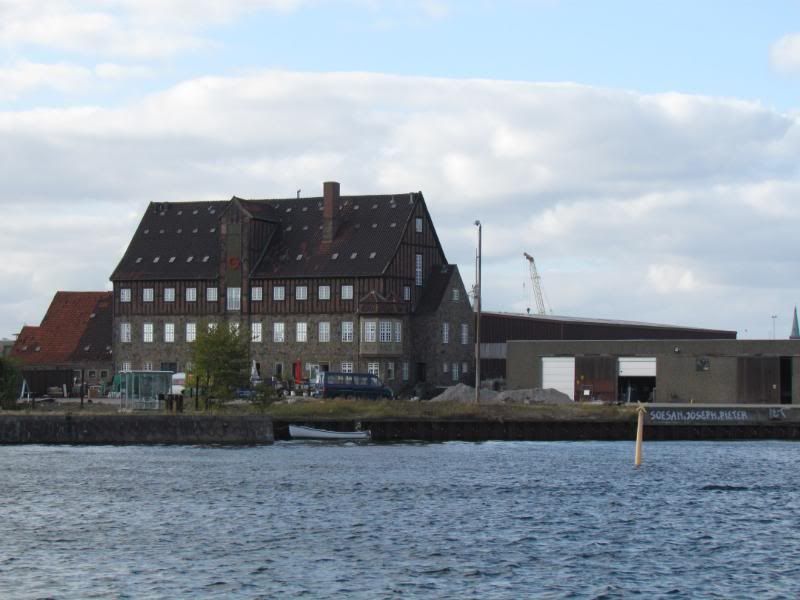
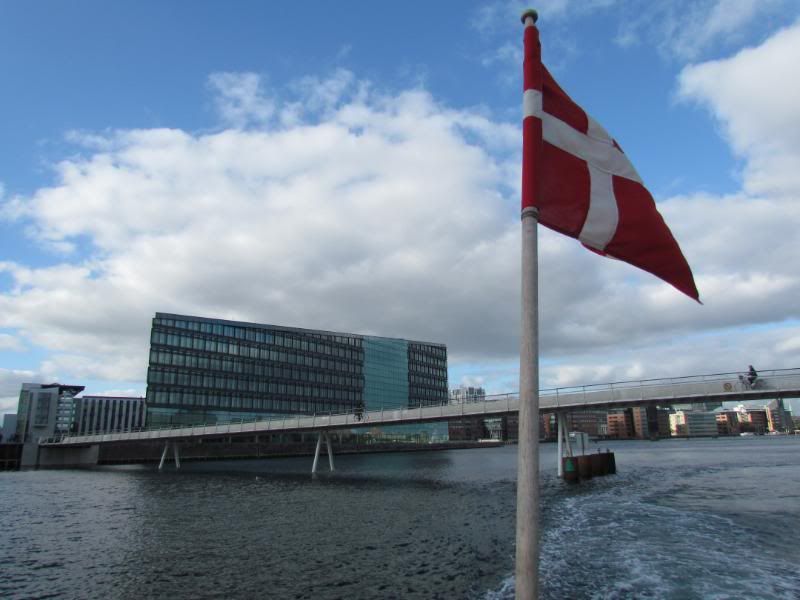
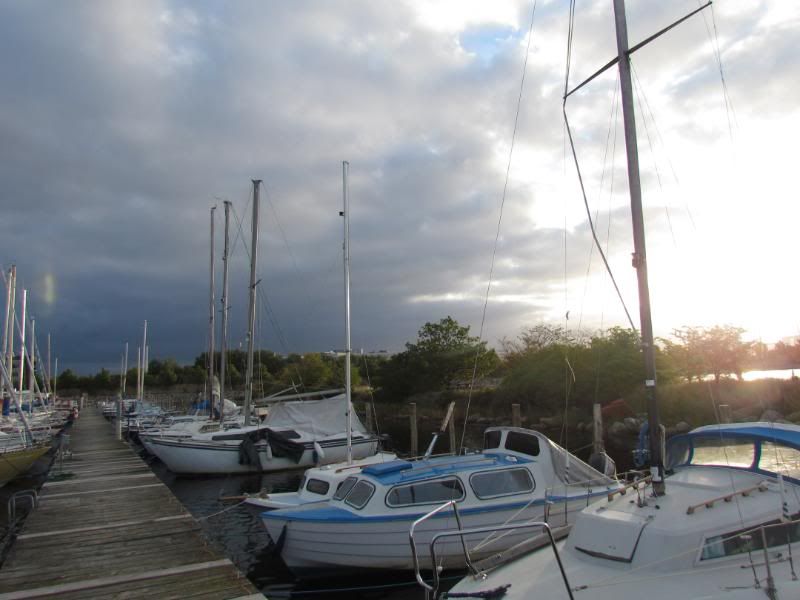
On Sofie's recommendation, we took a "harbor bus" toward the docks where we would bed for the night. The harbor buses are boats that run as part of Copenhagen's public transportation network. A lot of the buildings on the riverside were hard to identify as housing, commercial, factories, or otherwise.


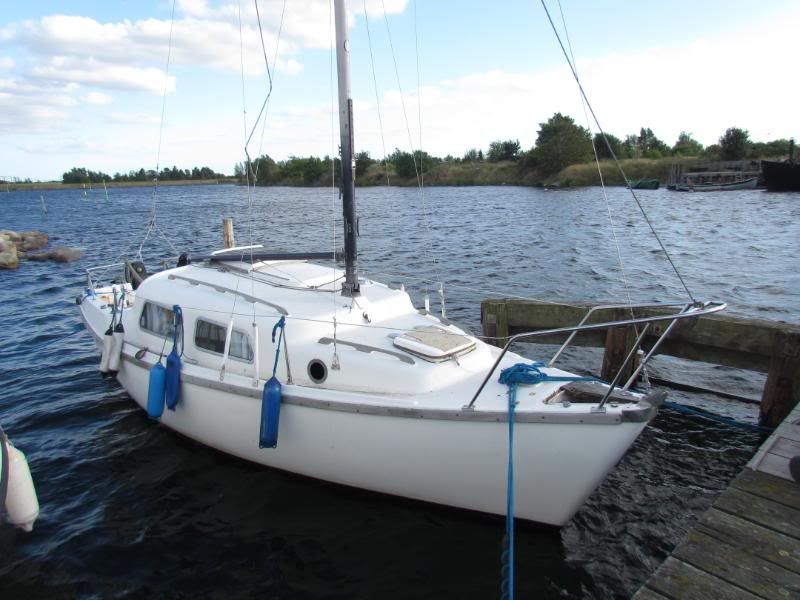
By the time we got to the docks, it was sundown.  Martin was going to meet us after work.  We moved our bags on board and hung out, waiting for him.  It was a very small boat.


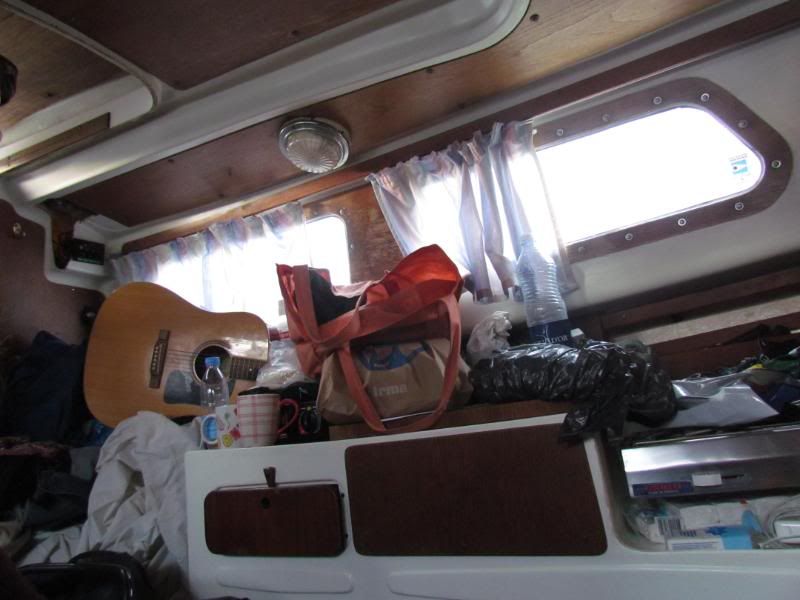
There's a padded bench, about the width and length of a couch, and a sort of triangular bedding area in the bow.  The area euphemistically described as a "kitchen" consisted of a tiny sink and single-burner camp stove separated by a narrow space from the bench.  There is no toilet.  In other words, it's much more compact than our van.  Yet Martin recently moved into it, and is taking on CouchSurfers.

After sitting in the boat for a while, maybe an hour, Jenna and I decided to leave Martin a note and go get some food downtown.  We grabbed some cheap falafel, and decided to give him a call, to see what was going on.  I guess we'd misunderstood him about meeting us at the dock, because he was at a friend's house, back in Norrebro.  We headed over there to hang out.   

Martin met us at the trolley stop.  "We're watching Braveheart," he explained.  "Actually, we are drinking schnappes.  Like, we drink when certain things happen in the movie.  Do you know this kind of thing?"

"Yeah," said Jenna, "Like a drinking game."

"What are the rules?" I asked.

"We drink a shot every time there's treachery, every time there's a kiss, and whenever the theme music plays," Martin said.

"I feel like that would be a lot of shots," I said, wondering how our host was managing to stand.

"I think we've drank about 20 so far," he replied.

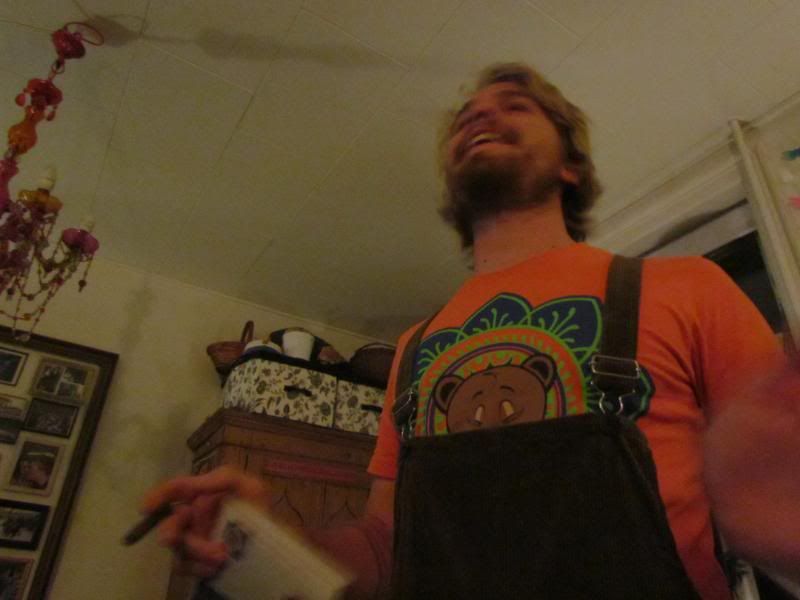
We arrived at Martin's friend Kasper's house.  Kasper is a bearded, intense, slightly feral-looking hippie guy.  

Terrible picture, but here he is

He welcomed us in and introduced us to his friend Peter, and gave us a tour of the house.  This tour featured an examination of the inside of his armoire, which was wallpapered with photographs of his wife urinating on beaches and sidewalks.  "I take these because I am, how to say, pervert," he said, by way of explanation.  

"When Kasper and I lived together, these used to be above my bed," said Martin.

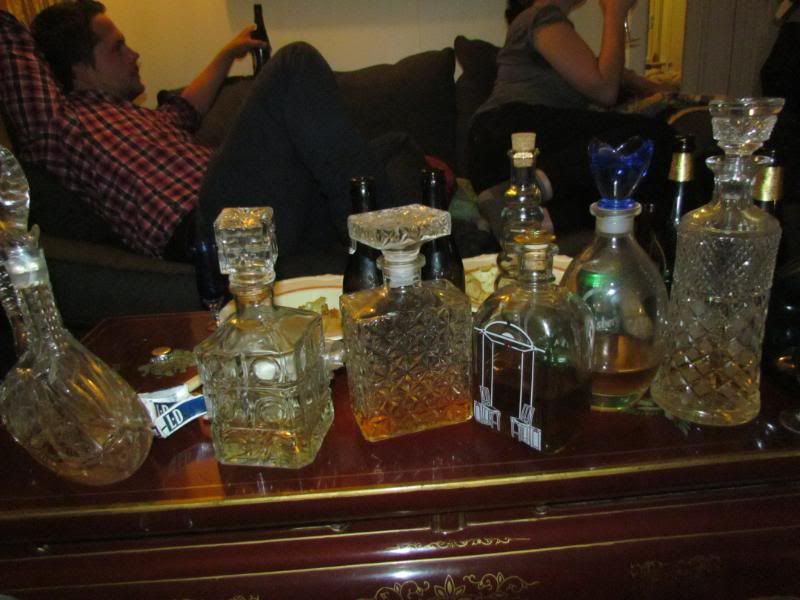
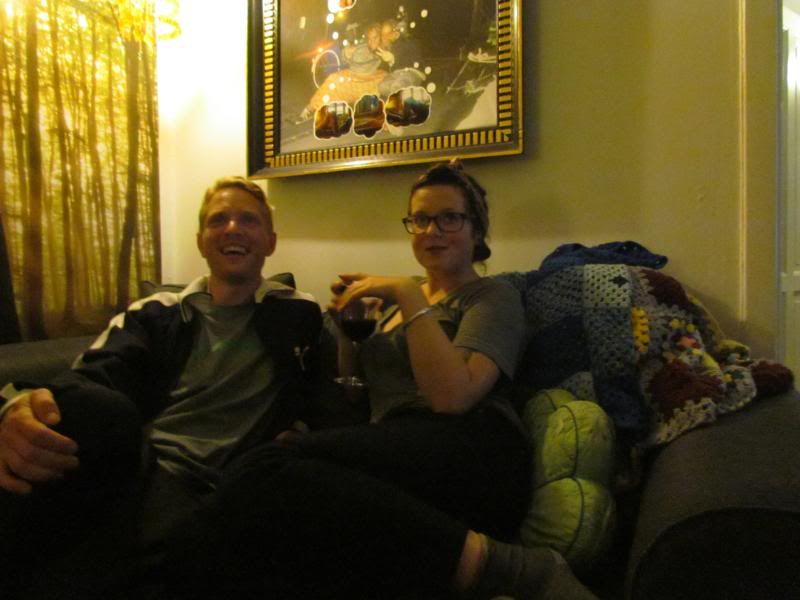
The apartment was a very cool place to be.  Kasper and his wife's collection of furniture was amazing.  One wall of the living room was entirely covered by a huge color photograph of a forest.  The schnappes being consumed, it turned out, were a variety of homemade concoctions being served out of cut-glass decanters - mostly empty, by this point in the evening.  There were chestnut, pine, elderflower, nectarine, apple, and chili schnappes.  Jenna tells me they were delicious.  Mercifully for her, there was only about half an hour left in Braveheart, so she only had to take five or six shots.


Martin with Jenna

We stayed there for a while after the movie, but Jenna and I were feeling a little tired and hadn't planned to be out very late.  When the group got up to go to another party, we told them we were going to split.  Martin decided to walk us back to the trolley stop.  On the way, he suddenly asked us if we wanted to cut through the cemetary.  We agreed.  Because the cemetary was closed, we had to hop the high wall, and hoist Martin's bike up and over.  Despite it being nearly midnight in a locked graveyard, it wasn't creepy at all.  We passed Hans Christian Andersen's grave.  Kierkegaard is buried in that cemetary as well, although if we saw his place of interment, we didn't notice.  In one of the aisles, we surpised a cat harassing a hedgehog.  The cat scarpered, but the hedgehog rolled up into a ball and stayed there.  I used to have hedgehogs as pets when I lived in Oregon as a kid, but I've never seen one in the open.  He was pretty cute.  Martin seemed unfazed.

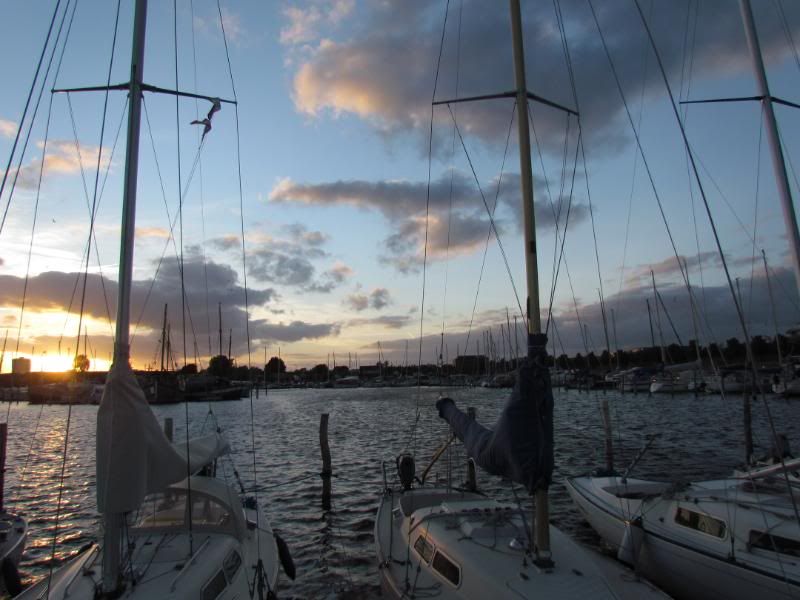
Martin elected not to go to the party with Kasper and Peter, and instead rode his bike back to the boat while we took the bus.  He was already asleep in the triangular bed when we arrived.  The gentle rocking of the bay, and the sound of the powerful Copenhagen wind whistling through the rigging of the boats put us gently to sleep.


Jenna writing now.  We woke up painfully early on Martin's boat and packed up our things in whispers. We were tired, but were quickly rewarded with the crisp air of the morning and the scene of the sun rising over the harbor as we stepped onto the dock. We made our way to Copenhagen's main train station and got on a train to Hamberg, which was uneventful. There we changed trains, and arrived in Berlin shortly before five.

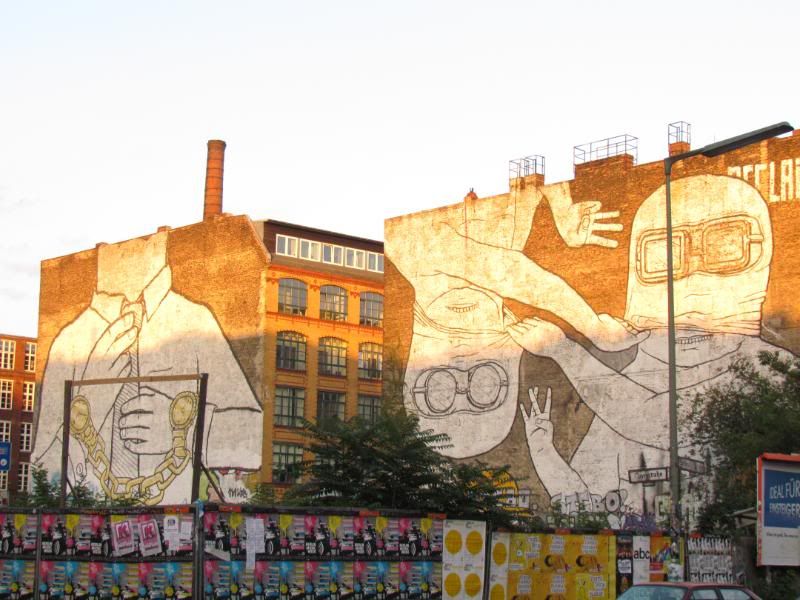
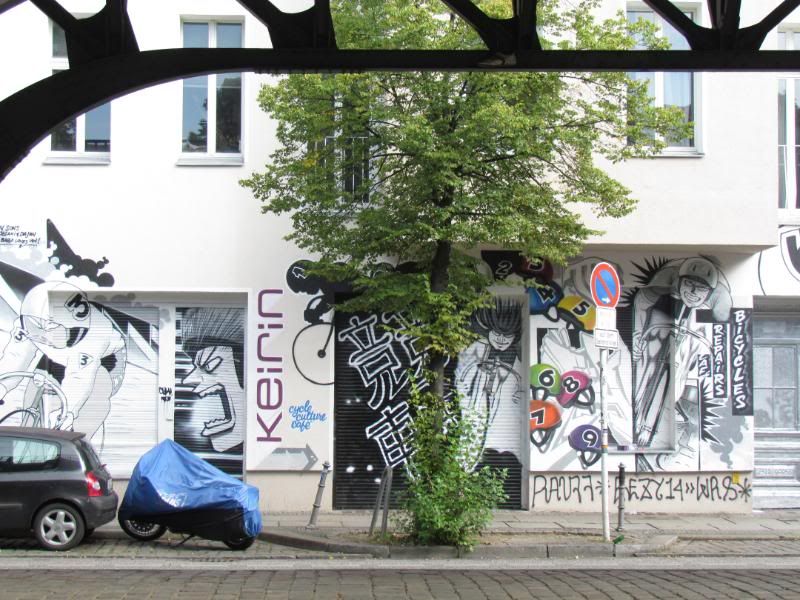
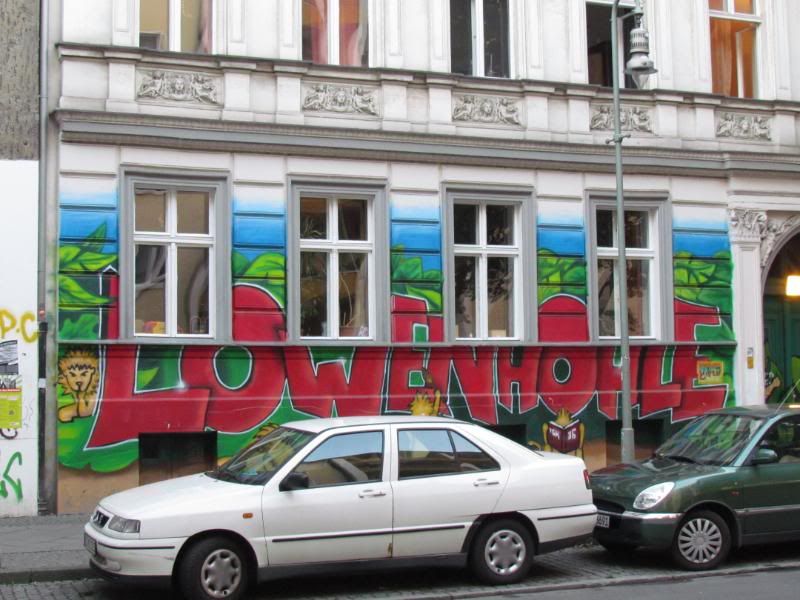
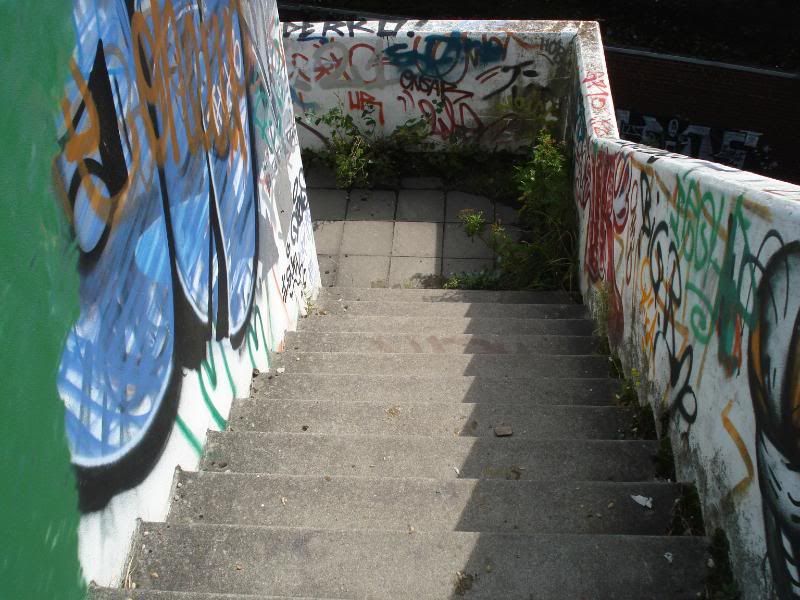
We had made plans to stay with Ellie Rea, an old friend of Aram's from Edinburgh who now lives in Berlin. On the metro ride to Kreuzberg, which is the area of the city where she lives, both of us were gazing with excitement out the train windows at the city we were passing through. The architecture was interesting and there was lots of inventive and colorful graffiti scattered around.


Berlin is different from the other cities we've visited in a few ways. Kreuzberg is very young and vibrant, full of people our age walking around. Secondhand shops, eco-friendly and organic food shops, cheap vietnamese restaurants, cozy bars and coffeeshops, and corner bodegas are plentiful. It immediately struck me as more a city like me than Copenhagen. I could feel why someone my age would want to live there, and immediately understood why several girls from my graduating class at Bard have moved here permanently. In comparison to Copenhagen, food is also amazingly cheap. Additionally, I had a large beer (not a bad beer, a very decent beer) for the exciting price of 60 euro cents, which equals about 80 cents USD.


Some Kreuzberg graffiti

Ellie works at a neuroscience lab. She is softspoken, sweet, and intelligent, and she was a wonderful host. On Sunday we spent the day together along with her roommate Alex and her friend Cheryl. We took the train to Teufelsberg.

Teufelsberg is German for "Devil's Mountain." It is a large fenced-off hill in what used to be West Berlin. The hill is mainly constructed of the rubble of World War II-era bombed houses. It is in the Grunewald Forest.

Eerily, what lies beneath Teufelsberg is the remnants of a Nazi training facility. Unable to adequately destroy the facility, the Allies covered it over with crap instead.

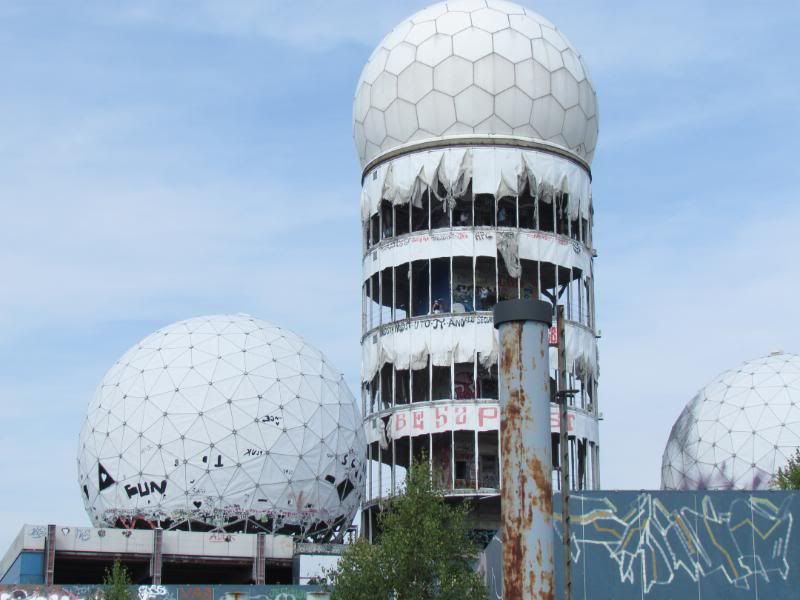
During the Cold War, an intelligence station was built and used on top of the hill by the Brits and Americans. Once the Cold War ended it was abandoned and, despite failed attempts to purchase and develop it over the years, it has remained so ever since. I think the government owns it now.


Technically, entering Teufelsberg is trespassing, but nobody seems too concerned. I'm not sure I fully understand the legal status of entering. We walked around the perimeter of the hill next to the fence, which was quite high and even barbed in places, untilwe found one of the spots where a previous explorer had cut a hole. We shimmied through, and then made our way down a steep hill in the woods until we reached a concrete path. Once inside, we saw tons of other people of all ages. On our way out, we exited through a much more "official"- looking entrance. The particular weekend we were there was unique in that Teufelsberg was open to legitimate and free visits by the public, as part of a Berlin Heritage weekend. At this official entrance, visitors were being made to sign a waiver releasing the owners of the property from any liability, should any injury occur to the eager explorer.

A lot of the floors on the remaining major surveillance buildings are missing their outer walls, so I suppose this was a reasonable precaution.


Two sides...

...of the same coin

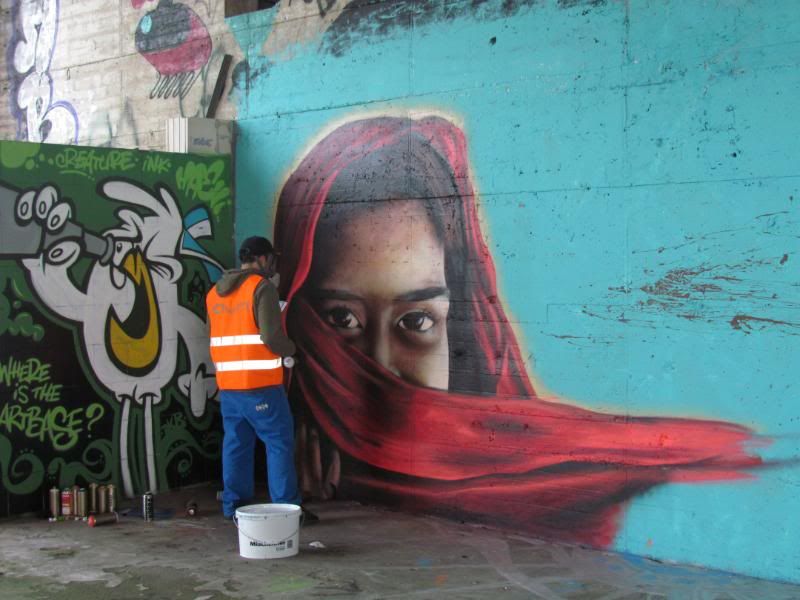
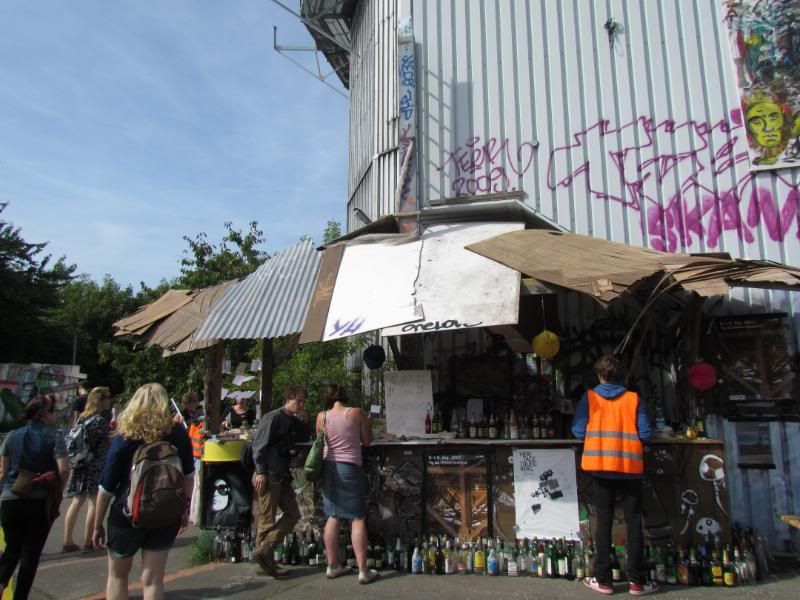
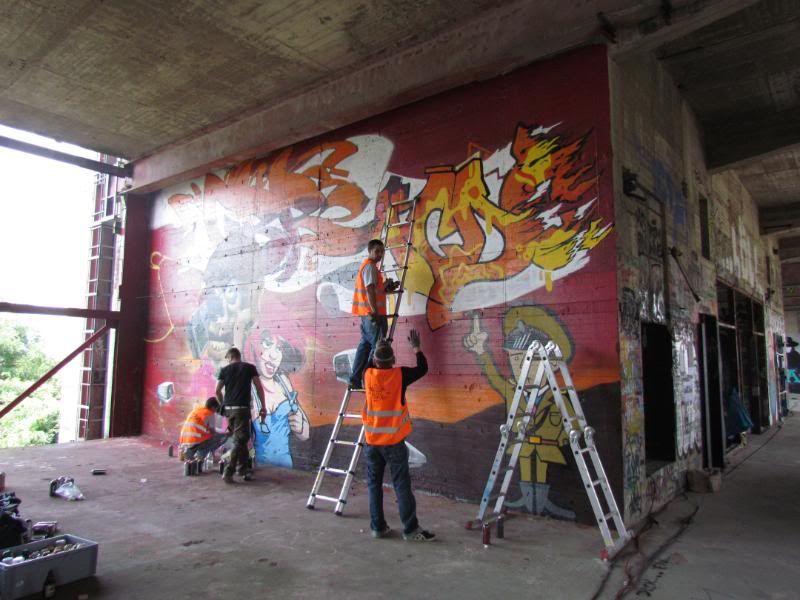
This idea of opening abandoned spaces for exploration with the caveat of requiring a release of this kind appeals to me. There are so many interesting possible sites of urban exploration in the United States; at all of them, you'd be harassed by police if you were caught inside. If you're willing to take responsibility for your own safety, then why not? On the other hand part of the excitement of urban exploration is feeling like you've discovered a new secret place (though of course this is almost never the case). At Teufelsberg, it was the busiest weekend of the year to visit because people who usually charge for tours were giving them for free. Because of this, it felt a little like your typical tourist destination, which was kind of weird. I'm stilll uncertain as to who these people were. They all wore orange eople were. Most wore orange vests to identify themselves, but they didn't look like government officials: they were tattooed, dreadlocked, and carrying cans of spray paint. Are they affiliated with whoever currently owns the land? Are their tours normally sanctioned by the government, or only on this particular weekend? Are they an established group who have taken it upon themselves to profit from this site? We saw some tents and vans- do people live in Teufelsberg?


The other thing which confused me were occasional signs on certain areas of buildings forbidding one to enter. I thought entering the site itself was verboten; who was making the rules about what areas you could or could not explore once inside?

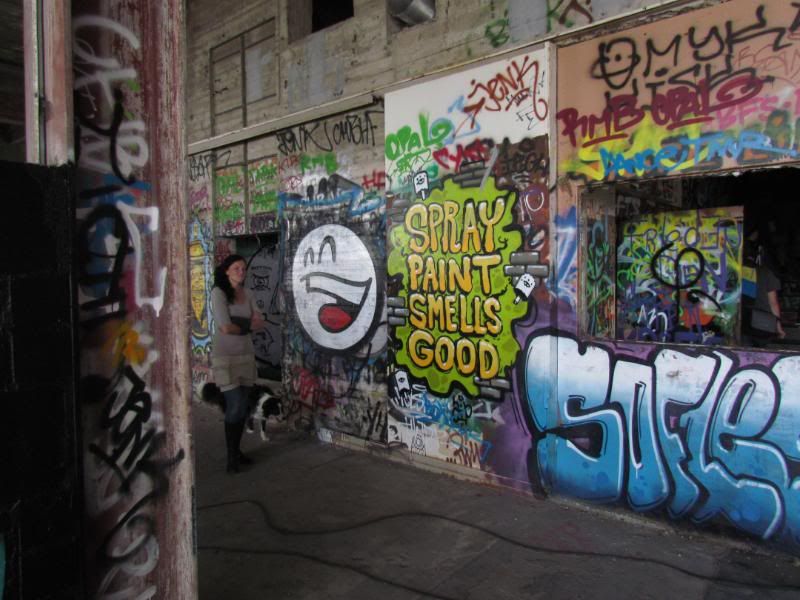
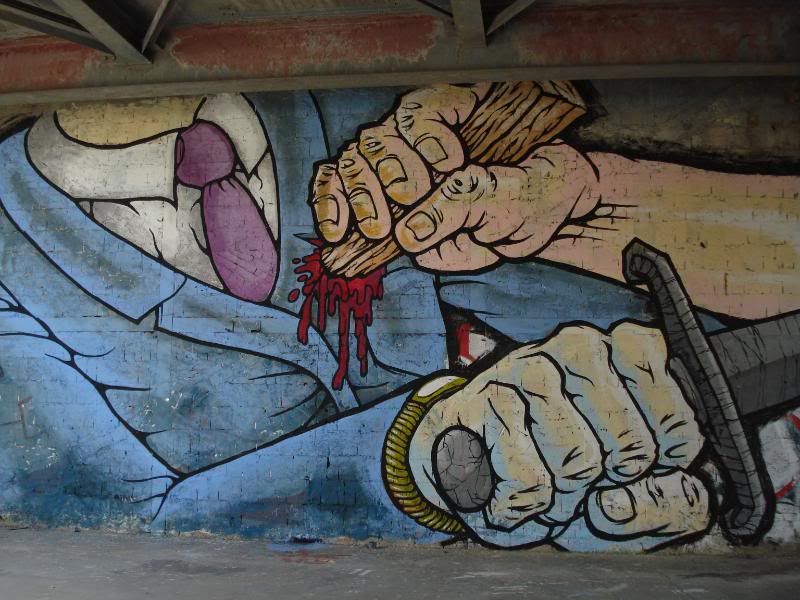
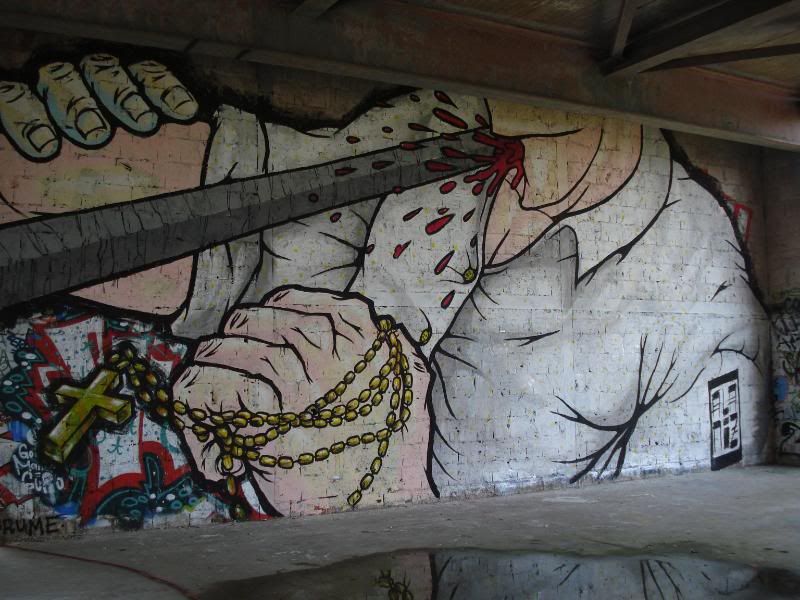
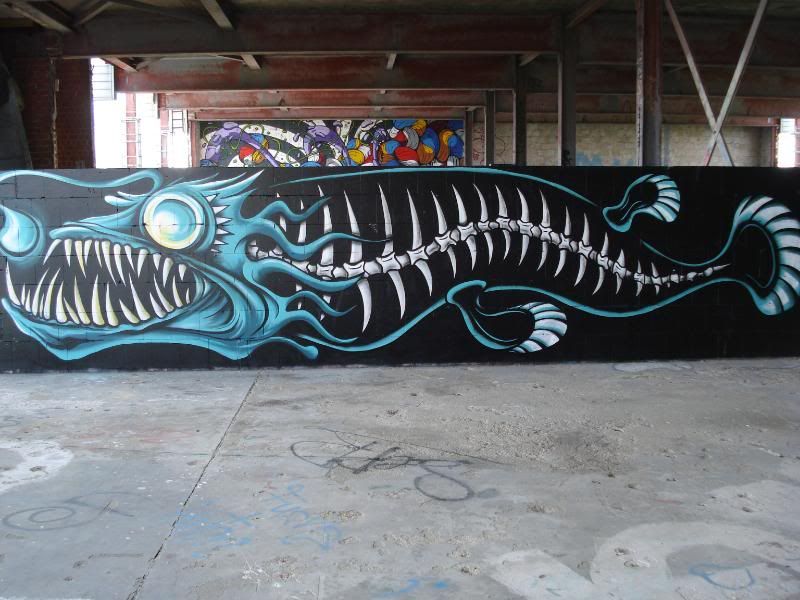
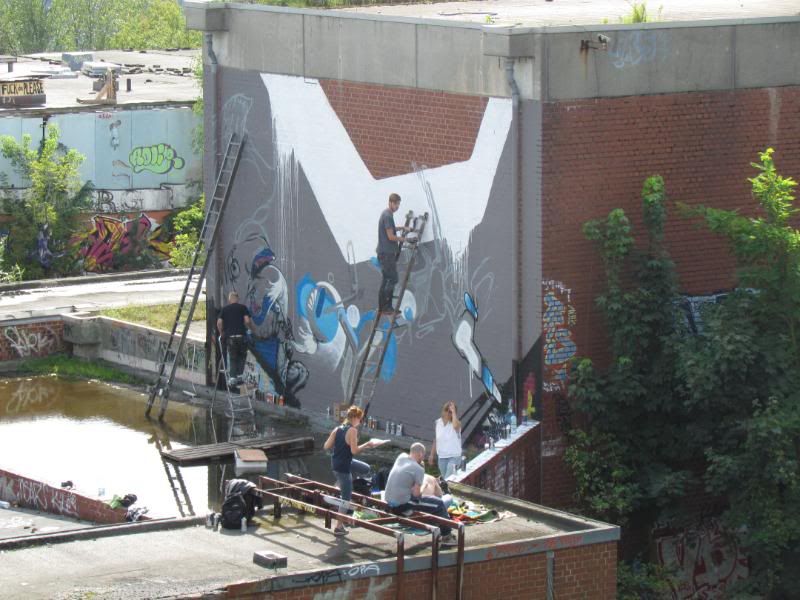
The major surveillance building we entered had been turned into a kind of art gallery. Graffiti art of small and enormous scale covered the walls, and some pieces were even actively in progress. Artists were working as we wandered through the building, which was huge and took over an hour to explore.


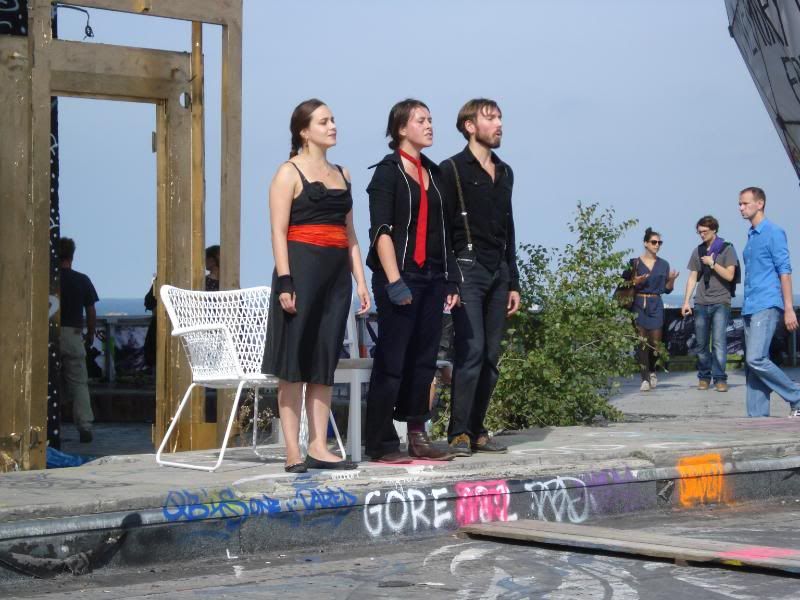
On one of the higher floors of the tower, we sat and watched the very end of a performance of "No Exit" by a German theater group.


At the very top of the tower was a large geodesic dome which I presume was the listening post part of the surveillance tower when it was in use. The echoes in there were incredibly loud and clear, and everyone was experimenting with clapping their hands and making noises. Then the theater group came in and performed an eerie, beautiful song in harmony. Everyone fell quiet for them.

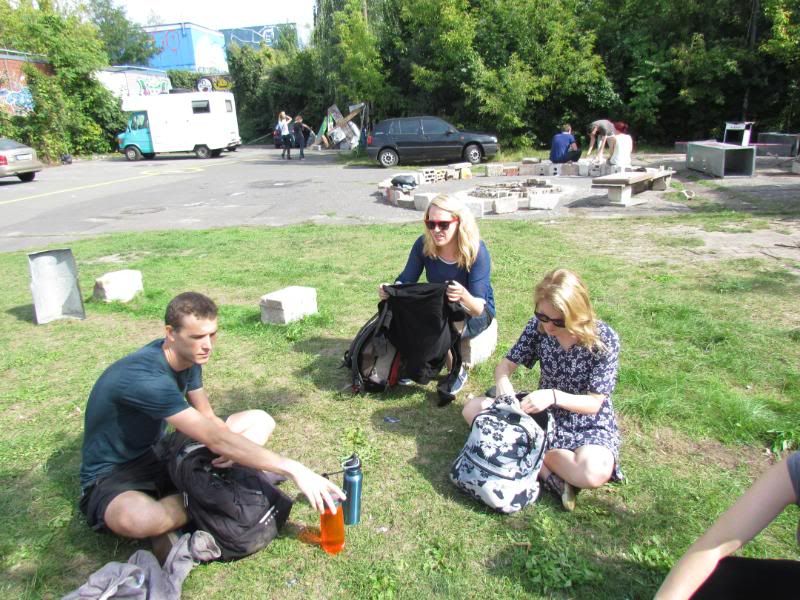
We had a picnic on the grass, and then headed home. Ellie had to babysit, but Alex, Cheryl, Aram and I sat in a park in Kreuzberg for awhile, drinking beers and soda. We wandered around for awhile and got dinner together.


When we got back to the apartment, Alex made us a cup of tea. This solidified our sneaking suspicion of the whole day that he was, in fact, a fantastic dude. We ended our first real day in Berlin utterly satisfied.

The next day, we had intended to go to the Bröhan Museum, a collection of Art Nouveau, Deco, and Functionalist applied arts, painting, and sculpture. We hadn't read the hours carefully enough, however, and when we got there we realized it was closed on Mondays. With the help of a very friendly coffee shop waiter, we figured out how to used the public transport system to make it to the Botanical Gardens instead.


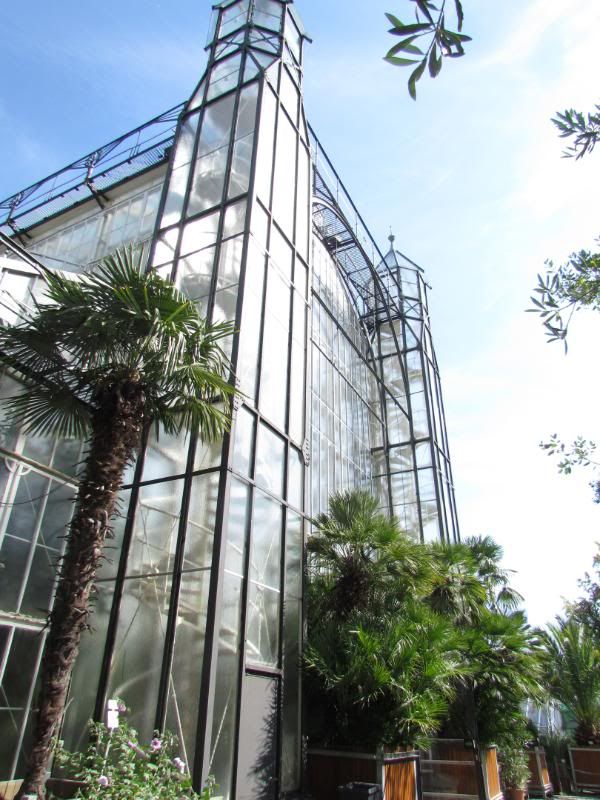
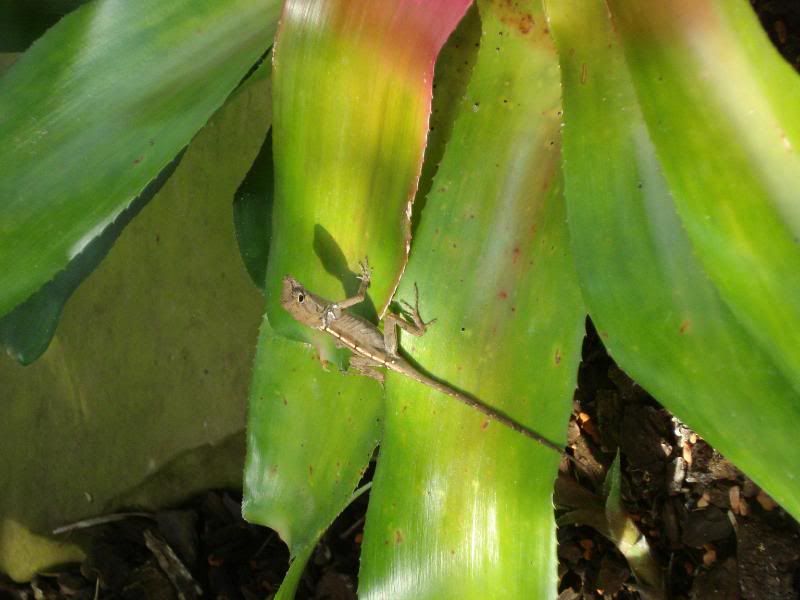
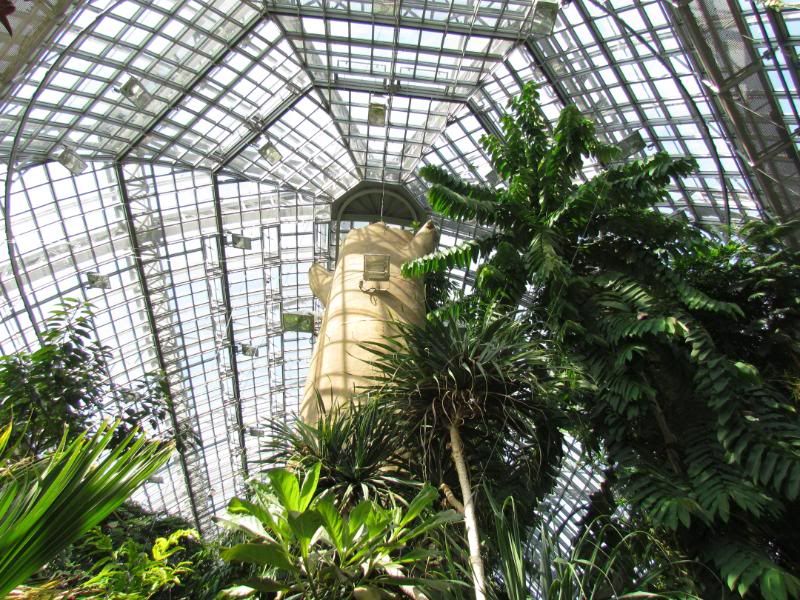
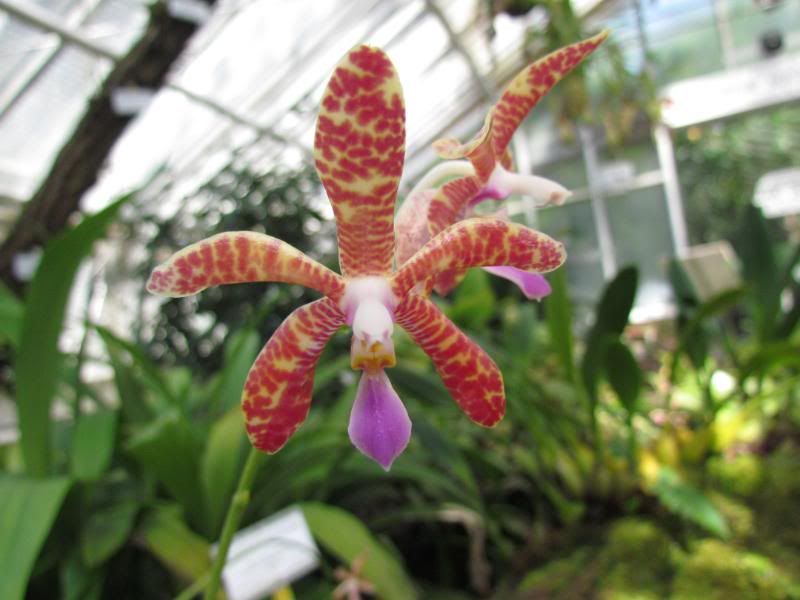
The Berlin Botanical Gardens includes a large and impressive complex of greenhouses. We wandered around outside as well, but most of our time was spent in this complex, simply because there were so many interesting things to see. Also, Aram has a thing for greenhouses.


In the afternoon, we met up with Ellie to take a swim at a large outdoor public pool. The day had been unusually warm and sticky, and it felt nice to swim. As we parted ways afterwards, Ellie pointed us in the direction of Yellow Sunshine, a restaurant serving vegan fast food. Here we were introduced to the vegan version of the famous and mysterious German-Turkish hybrid, the currywurst. As it turns out, currywurst is pretty much a regular wurst, with ketchup, except the ketchup has curry powder mixed in. Not as exciting as we'd hoped, but it was still good, and I can see them satisfying a certain craving at 2am.

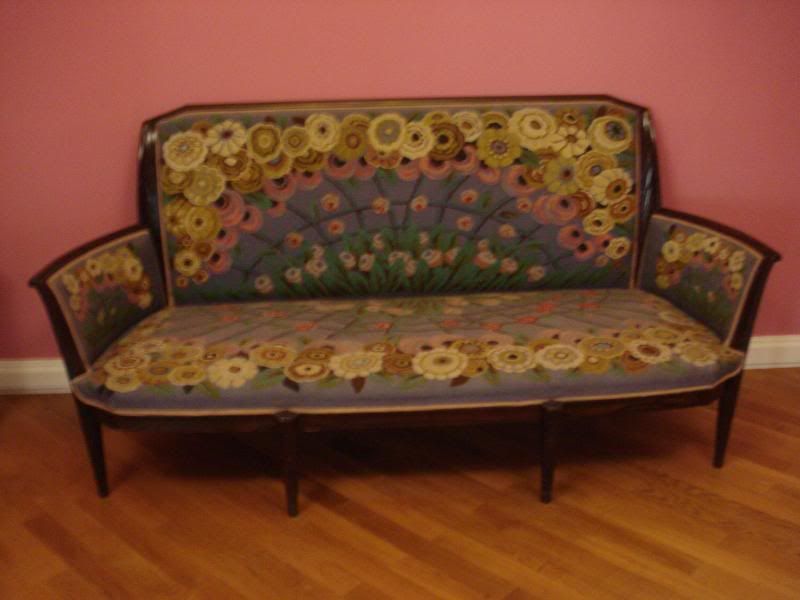
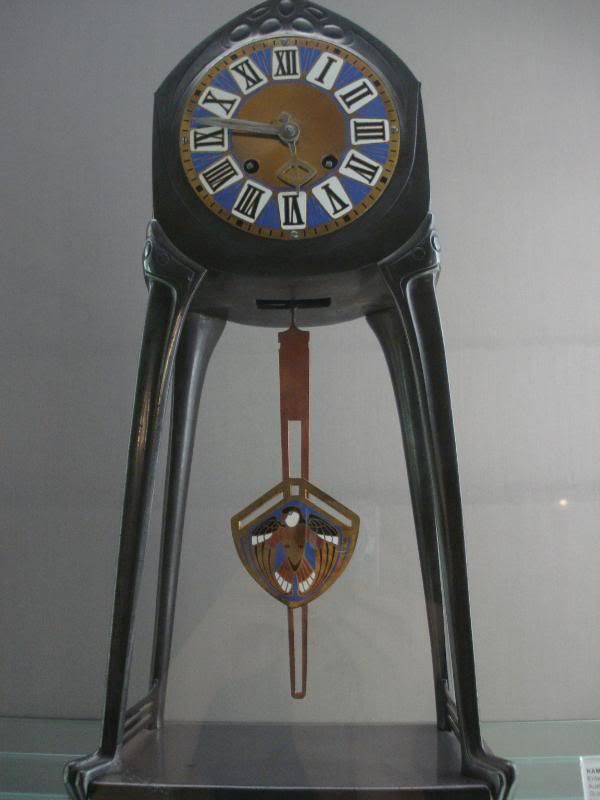
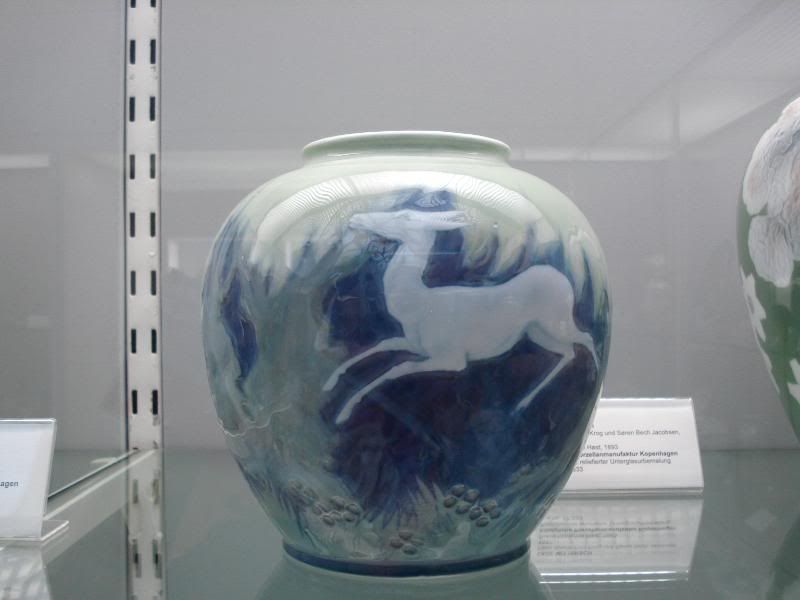
The next day, we did manage to get to the Bröhan Museum. It wasn't very big, but it held a lot of fantastic glassware, furniture, and tea service sets. Photos weren't allowed, but we saw lots of people with cameras hanging obviously around their nexcks, and some were even taking pictures, so we followed suit until we were yelled at. 

They should've just stopped making couches after this one


That evening, Ellie was kind enough to cook for us, and we had a great time eating dinner and talking with her and her boyfriend Florian. We got on the subject of the Amish and consequently Pennsylvania Dutch, which was interesting to hear a German's perspective on.

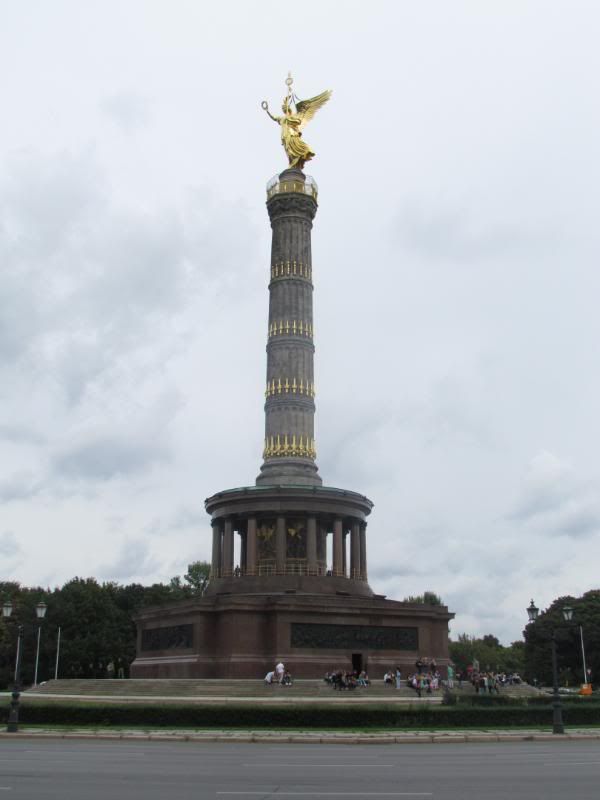
Our final day in Berlin was spent wandering around the Zoological Park, seeing the Victory Monument, and running various errands. 


I got a haircut, which I've been meaning to do for a while. It was interesting to try to have a conversation about what I wanted  with the German girl who did it, as I speak basically no helpful German. While her English was much better than my miserable German, communications were basically reduced to waving motions around my head. 

We bought groceries and cooked a thank-you dinner for Ellie and Alex that night. Alex made delicious vegan banana bread. We really couldn't have asked for better hosts.

Of all the cities we've been to so far, Berlin seemed like the only one either of us could imagine spending any extended period of time in. It felt less like a tourist city, like Amsterdam, and more like a city that you could just ahng out in. Kreuzberg was very hip, and you could see how it might draw comparisons to Williamsberg. It's very young, urban, fashionable. There's cool graffiti everywhere. Every bar, every bookstore, every cafe is a place you want to be. Because of this you can imagine it being compared to Williamsburg, but it doesn't have its head so far up its own ass, so to speak. Of course our opinion on its suitability to foreigners might have been heavily influened by the fact that we were staying in an apartment with three of them-- Ellie is from Edinburgh, Alex is from Yorkshire, and their third roommate Amy is from Ireland.We felt very comfortable in Berlin.